Client:
Cambridgeshire Federation
of Women’s Institutes
Contractor:
Britannia Construction
Contract Value:
£350,000
RIBA National Award
RIBA Sustainability Award
Green Apple Award
Creative East Building of the Year
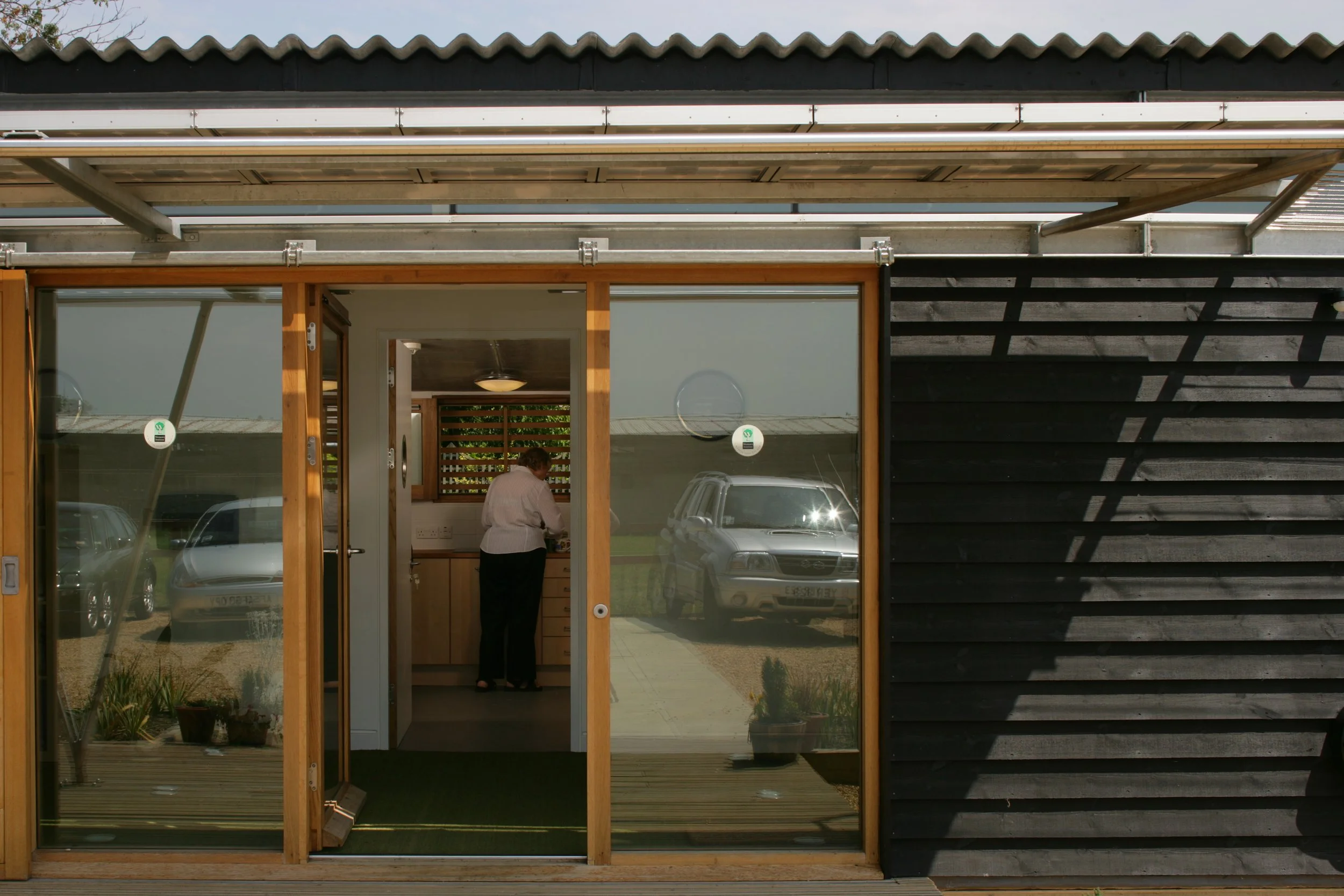
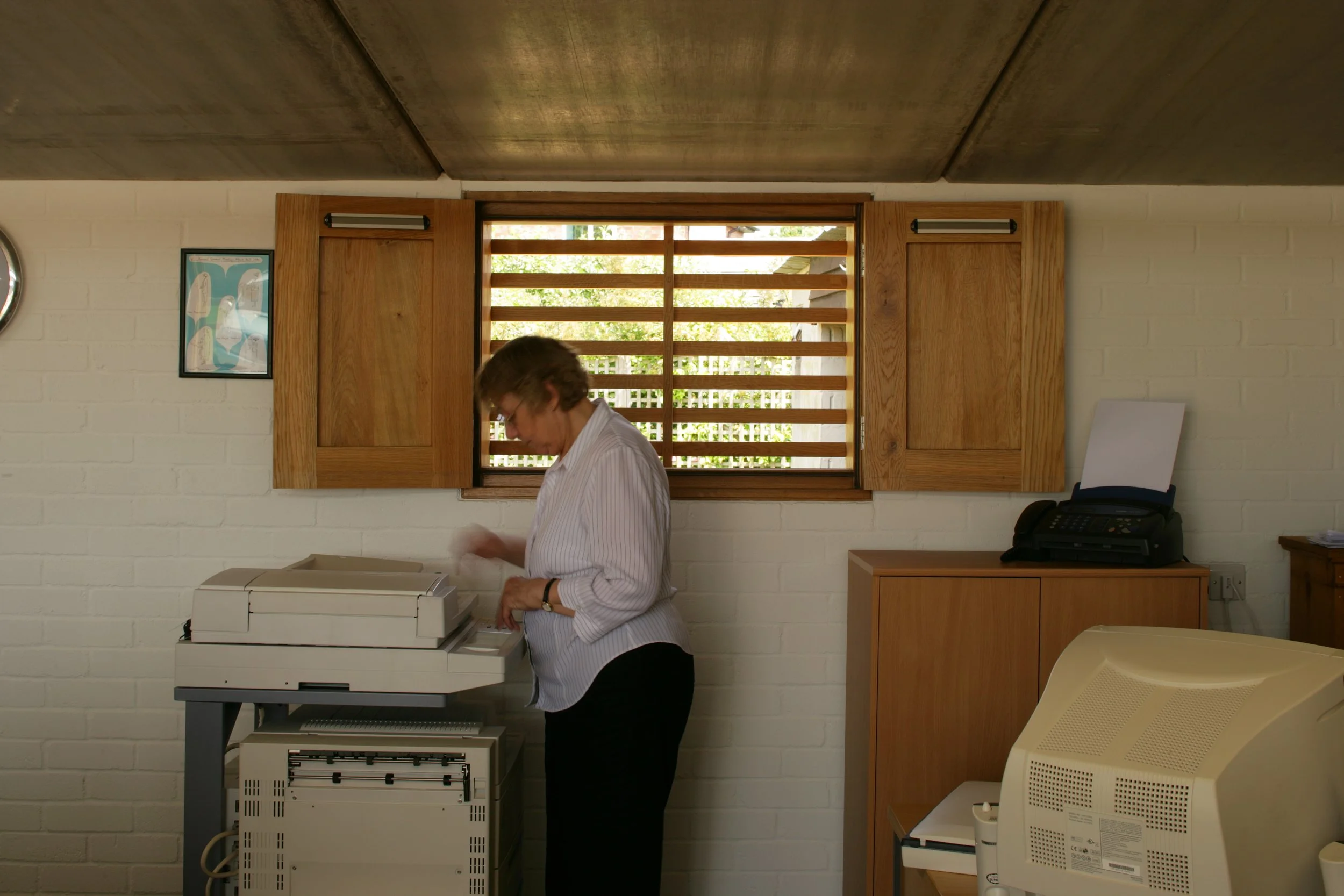
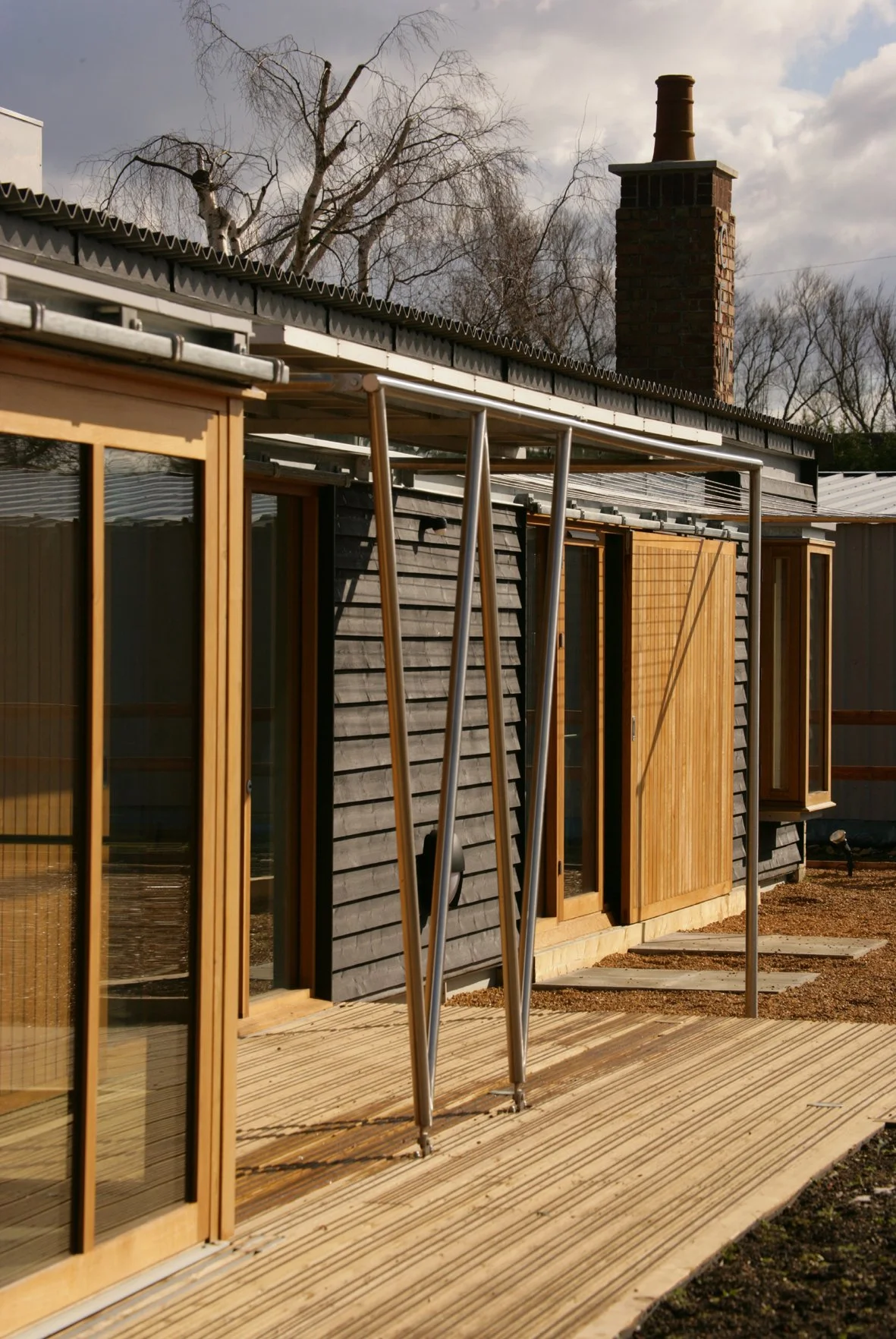
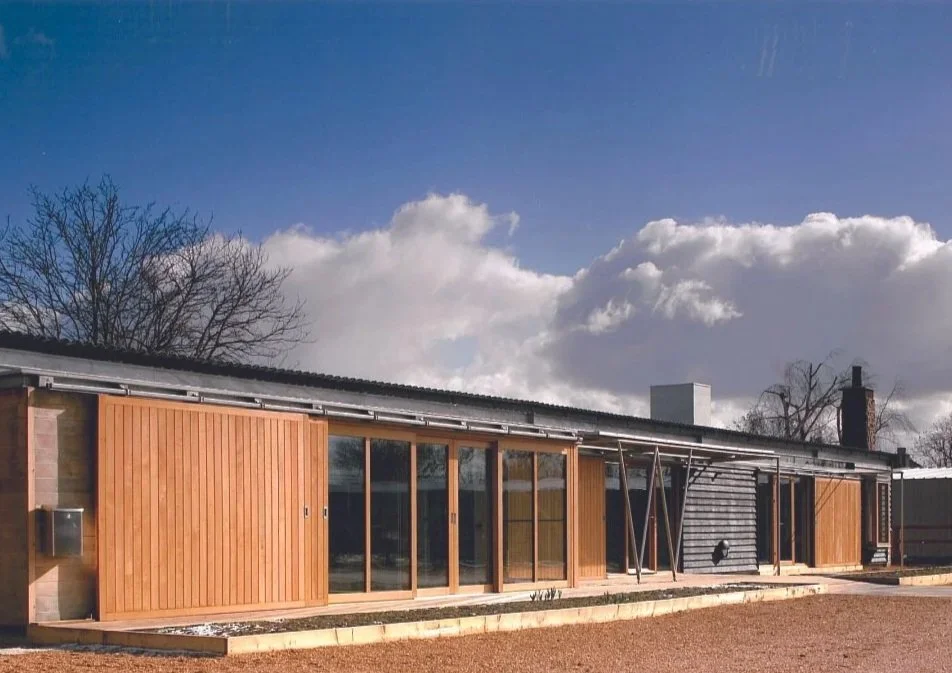
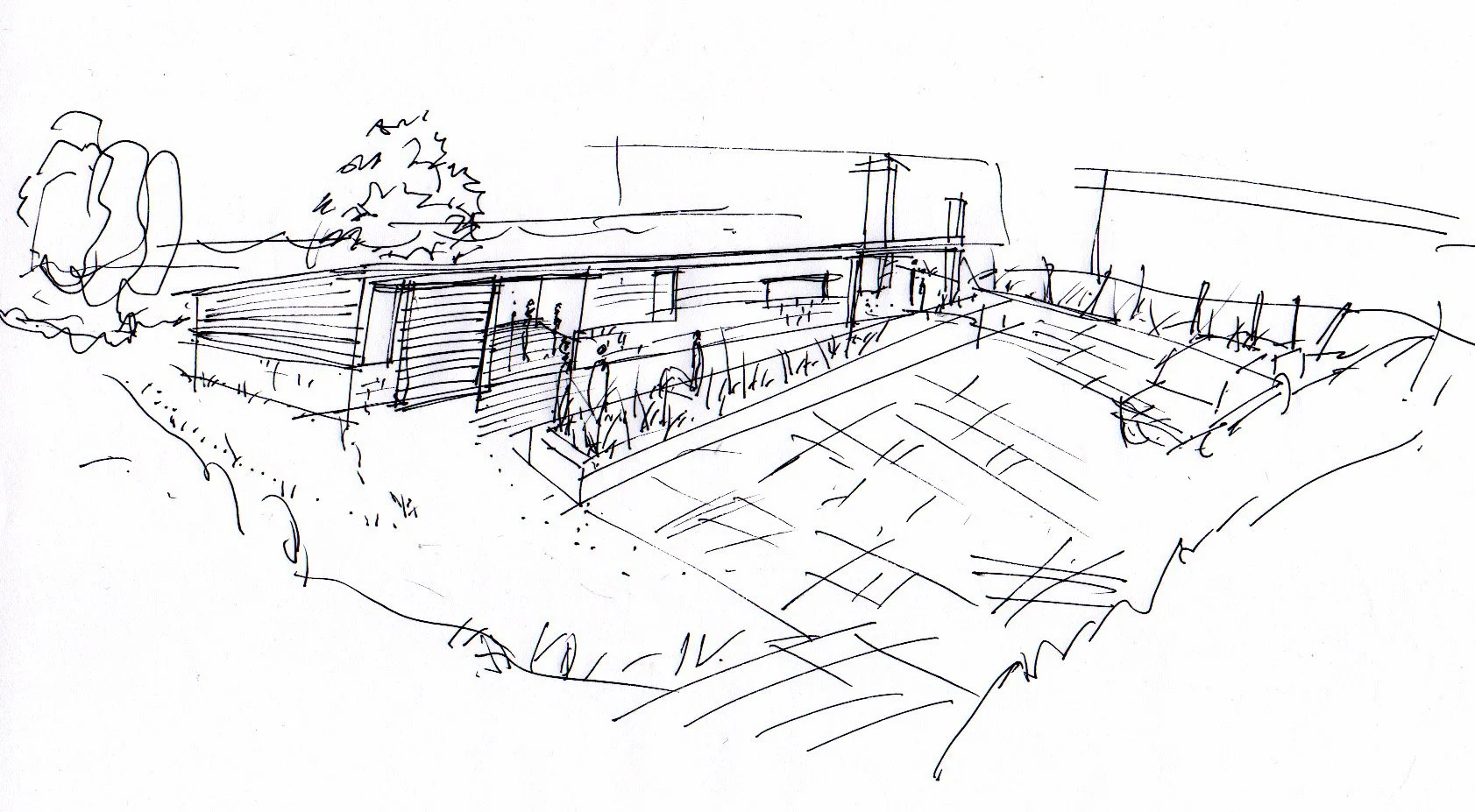
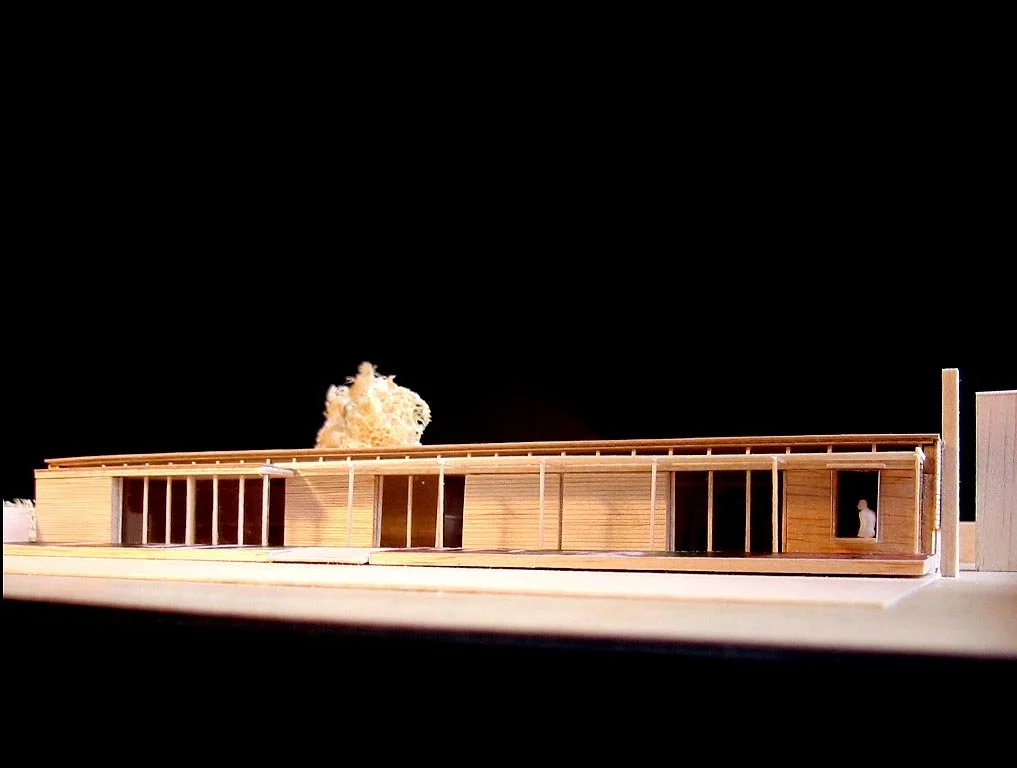
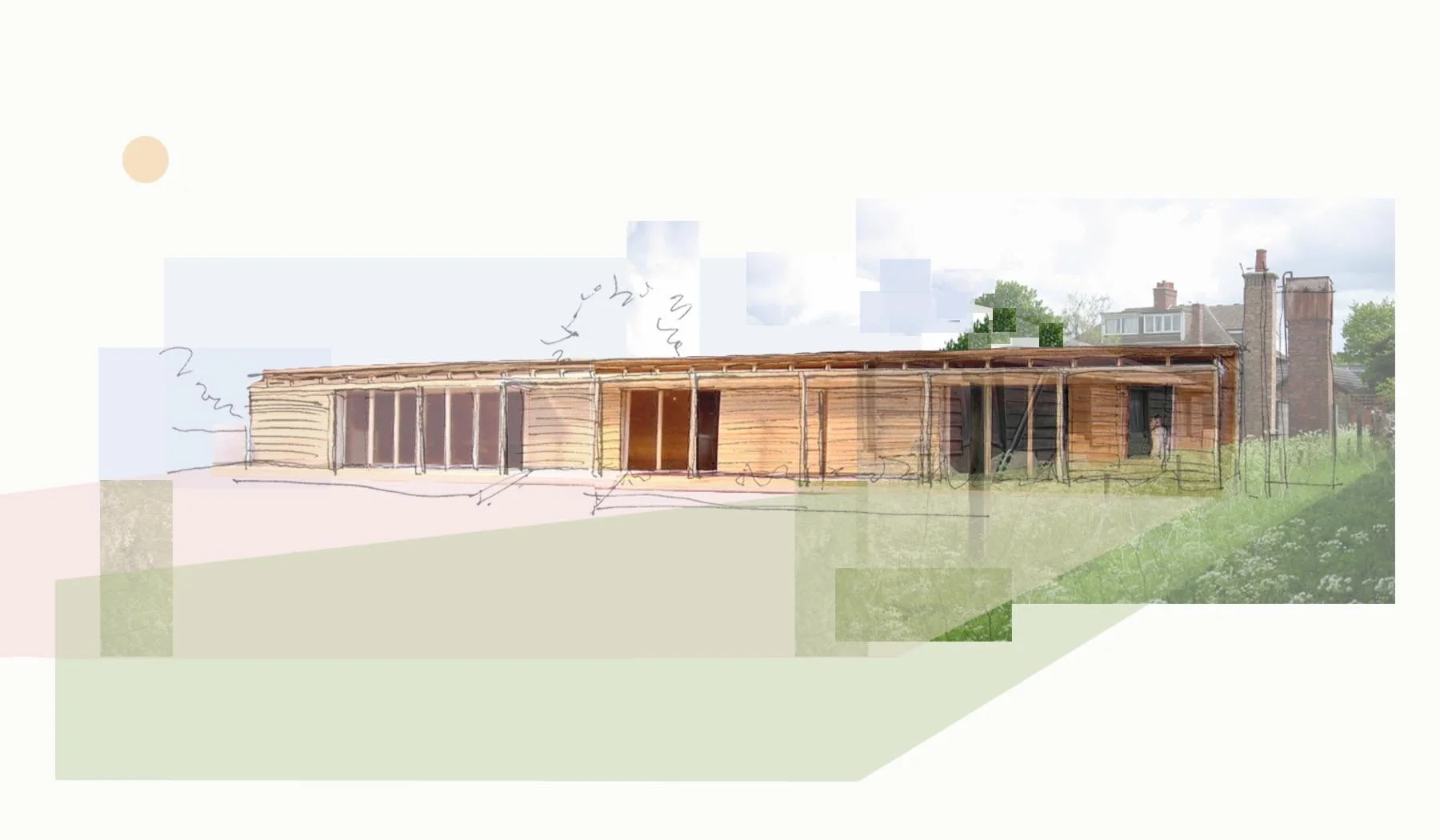
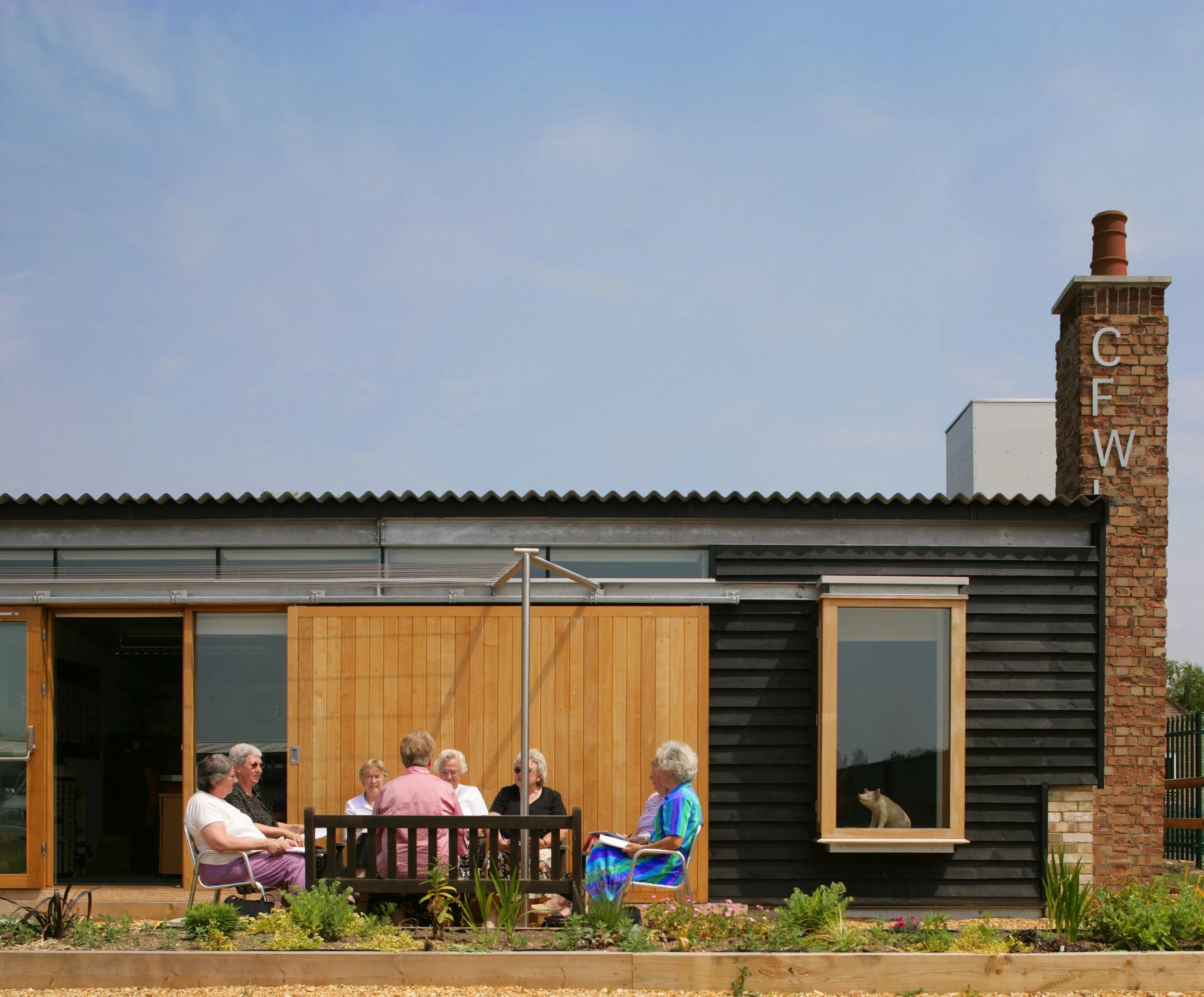
Located on the rural edge of the city of Cambridge, the Headquarters of the Cambridge Federation of Women’s Institutes (CFWI) exemplifies sustainable architecture and community empowerment. This remarkable project originated as the conversion of a very humble agricultural building, a modest, utilitarian structure originally used as a pig shed. Designed by Ellis-Miller + Partners and completed in 2004, the £350,000 initiative won numerous awards, including the prestigious RIBA Award in 2005 and RIBA Sustainability Award amongst others. Recognised for its innovative blend of functionality, environmental responsibility, and aesthetic simplicity, the project was published worldwide, showcasing its groundbreaking approach to eco-friendly design. Jonathan Ellis-Miller masterfully adapted and re-used the existing fabric in a creative and practical way, specifically retaining the original brick walls and timber construction while adding a new concrete roof. This strategic reuse transformed the unassuming shed into a modern, adaptable, efficient space, preserving core elements to minimise waste and environmental impact. This approach not only honoured the site’s humble heritage but also set a precedent for adaptable and sustainable buildings, years ahead of its time, anticipating the global shift toward retrofitting and circular economy principles in architecture.
It was probably one of the first examples of truly regenerative architecture, emphasising restoration and positive environmental contributions beyond mere sustainability.
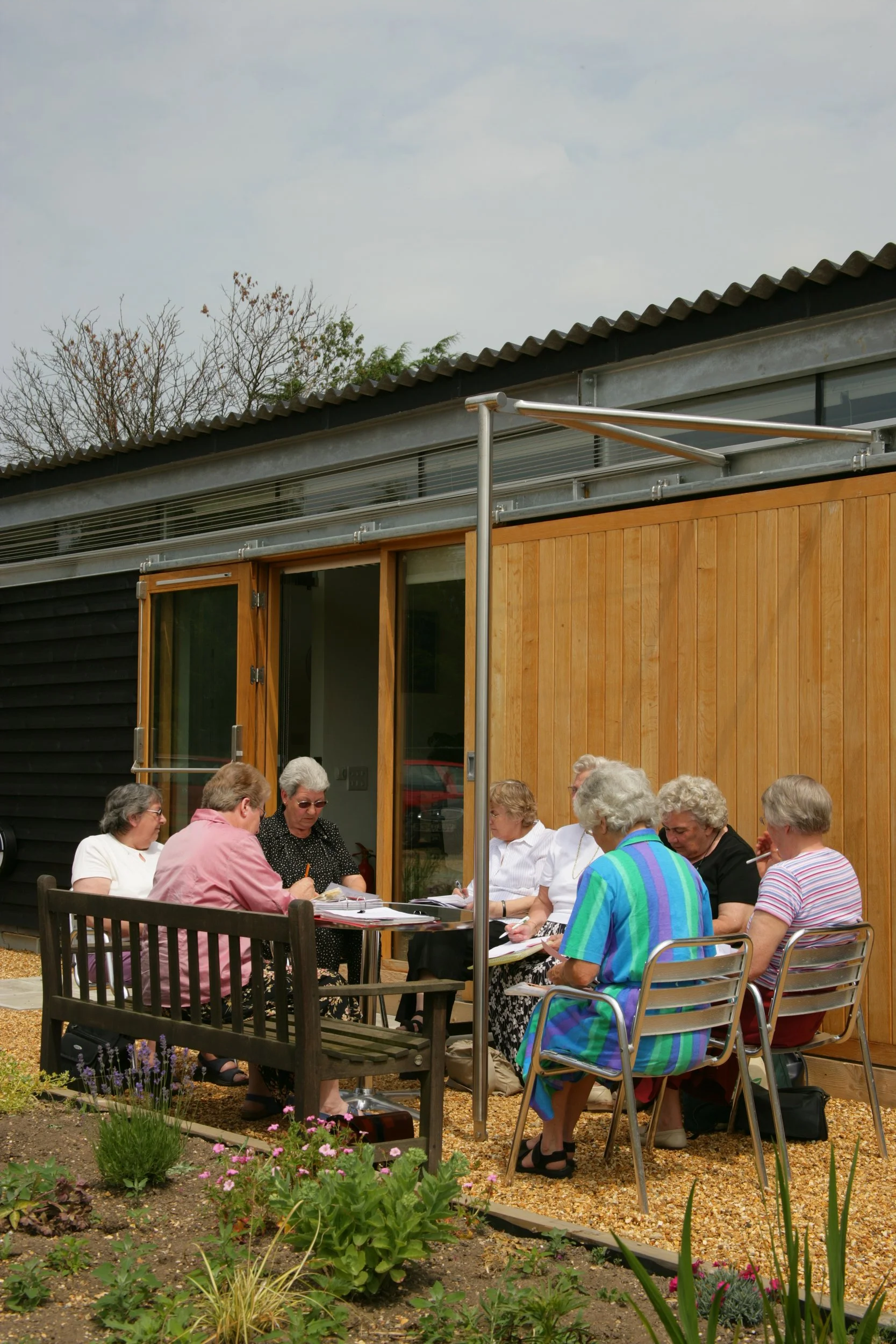
Building on the success of Ellis-Miller + Partners earlier FutureWorld House, a pioneering sustainable residence that demonstrated low-energy living, this CFWI headquarters represents another ahead-of-the-curve Ellis-Miller sustainable building. The FutureWorld House, with its emphasis on passive solar design and resource efficiency, laid the groundwork for innovative projects like this one, proving ellis miller’s commitment to pushing boundaries in regenerative architecture. The CFWI headquarters serves as the administrative and communal hub for the organisation, rooted in the Women’s Institute movement, which has championed women’s education, skills development, and social advocacy since 1915. By aligning with the WI’s ethos of sustainability—particularly its campaigns on climate action and resource conservation, Ellis-Miller + Partners delivered a headquarters that embodies the group’s forward-thinking values. The project was officially opened by HRH The Duke of Edinburgh, adding a layer of royal endorsement that highlighted its significance in promoting community-driven, eco-conscious design.
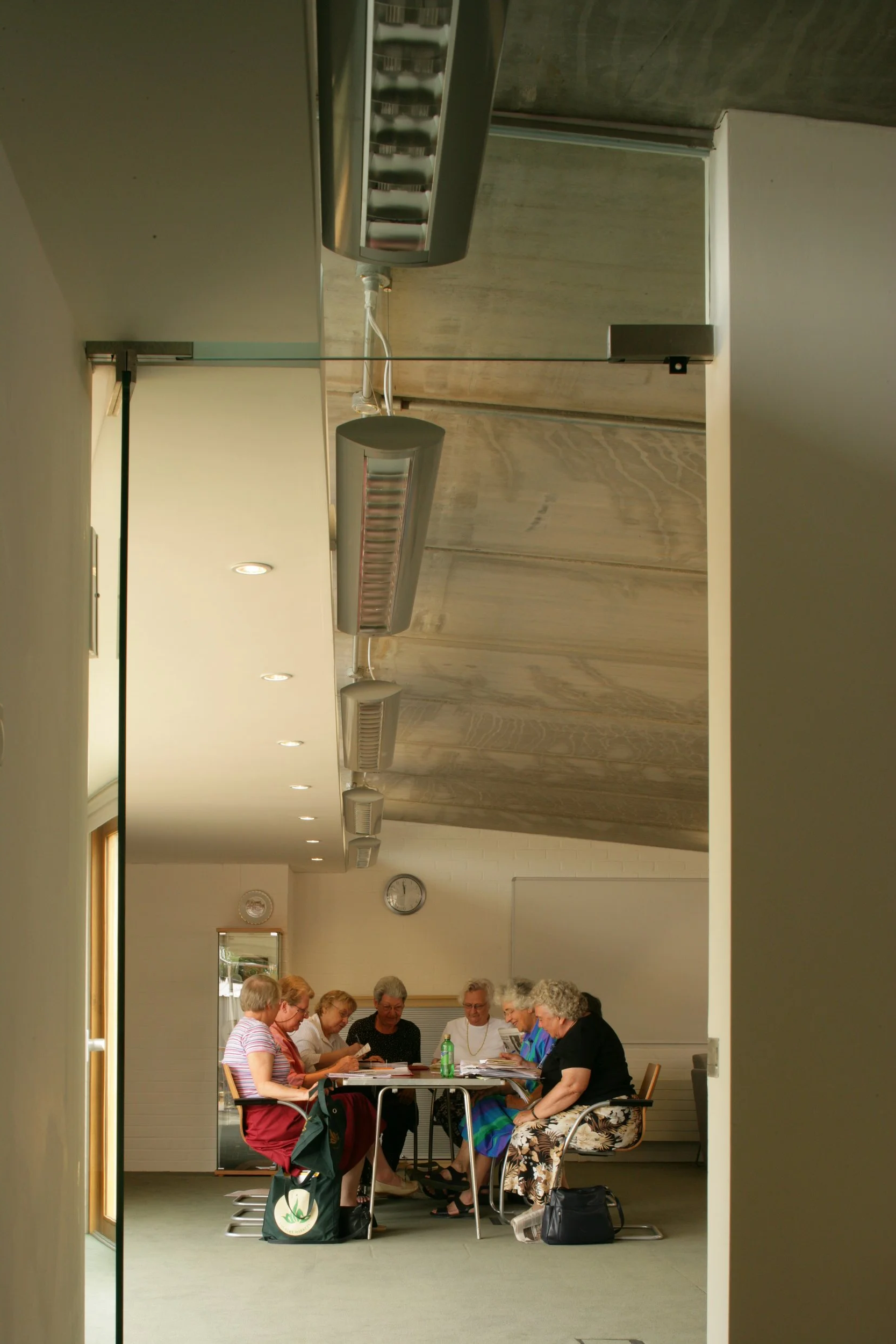
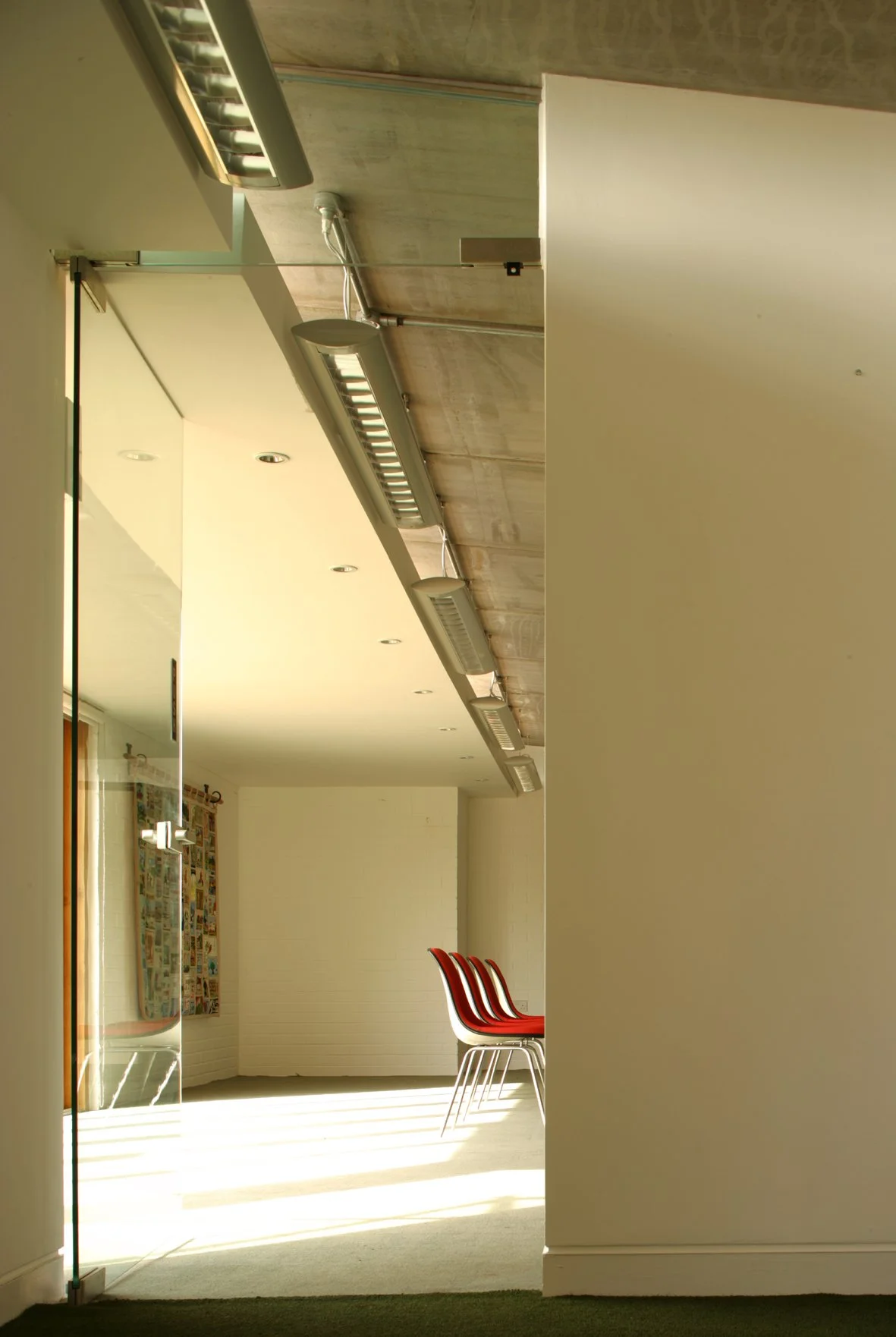
From an architectural perspective, the design prioritises accessibility and inclusivity, with the entire structure laid out on a single level. This ensures seamless navigation for all members, including those with disabilities, fostering an environment where women from diverse backgrounds can gather for meetings, workshops, and educational programmes. The narrow floor plan facilitates natural cross-ventilation, reducing reliance on mechanical systems and enhancing indoor air quality. Exposed precast concrete slabs and soffits—integrated into the added concrete roof—play a central role in the passive cooling strategy, absorbing heat during the day and releasing it at night, achieving a cooling output of 15–20 W/m². The reused brick walls and timber elements, combined with externally insulated concrete additions, provide thermal mass that stabilises internal temperatures, minimising energy consumption in Cambridge’s variable climate. These features contribute to the building’s carbon-neutral status, achieved through careful material selection and energy-efficient technologies, such as low-energy lighting and rainwater harvesting systems.
Exploring the nuances of the design, Ellis-Miller approach draws on modernist principles, echoing influences from Jonathan Ellis-Miller career long commitment to sustainable architecture and his long track record of designing elegant award-winning projects. The building’s modest scale avoid ostentation, offering versatile spaces for office work, seminars, and community events. Edge cases, such as extreme weather, are addressed through robust insulation and ventilation, ensuring year-round comfort without excessive heating or cooling. Socially, the headquarters reinforces the WI’s role in empowering women, providing a dedicated venue for initiatives on health, crafts, and environmental education, with implications for broader community resilience.
The project’s implications extend beyond its immediate users. As a model of affordable, eco-friendly conversion, it demonstrates how existing structures can achieve significant environmental gains, influencing subsequent sustainable designs in the UK. In Cambridge, a hub of innovation, this headquarters bridges tradition and modernity, supporting the CFWI’s 2,000+ members in their pursuits. Critically, it highlights architecture’s potential to address gender-specific needs, creating spaces that promote equality and collaboration. Over two decades later, the building remains a testament to Ellis-Miller’s commitment to excellence in regenerative architecture, proving that award-winning design can be both practical and planet-friendly, inspiring future generations to build with purpose.
“Ellis-Miller + Partners immediately understood us, were great fun to work with, and were unafraid to question and encourage us… Thanks to them, we were really able to put our money where our mouths were.”
Ruth Bond, former National President, Women’s Institute