Winter House Restoration
81 Swain’s Lane
Highgate
London
Client:
Phil Hunt
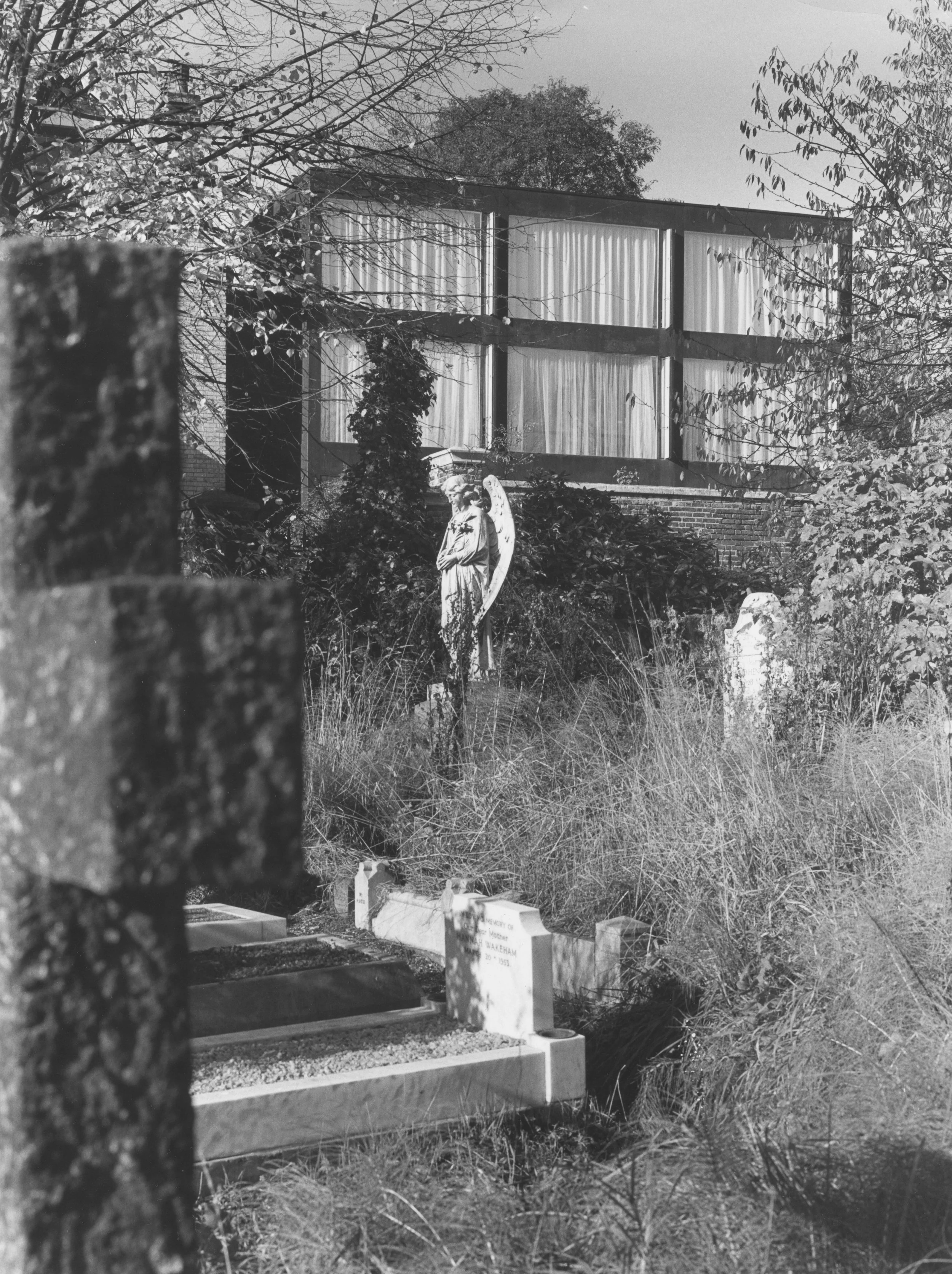
The restoration and Extension of a Modern Masterpiece. Nestled against the historic walls of Highgate Cemetery in north London, John Winter’s Grade II*-listed house at 81 Swain’s Lane stands as a seminal masterpiece of 20th-century modernist architecture. Completed in 1969, this steel-frame residence was not Winter’s inaugural foray into such designs—his earlier Wentworth house in Surrey predated it by four years—but it pioneered a unique synthesis of two prevailing strands in American modernism. Drawing from the pavilion ethos exemplified by Mies van der Rohe’s Farnsworth House (1951) and the Case Study House Program (1945-1966), alongside high-rise influences like Mies’s Lake Shore Drive apartments (1951) and SOM’s Lever House (1952), Winter crafted a dwelling that transcended conventional boundaries. Having studied at Yale and collaborated with SOM’s Myron Goldsmith—Mies’s key aide on the Farnsworth House—Winter infused the project with firsthand insights, elevating it beyond mere photographic inspiration for European architects.
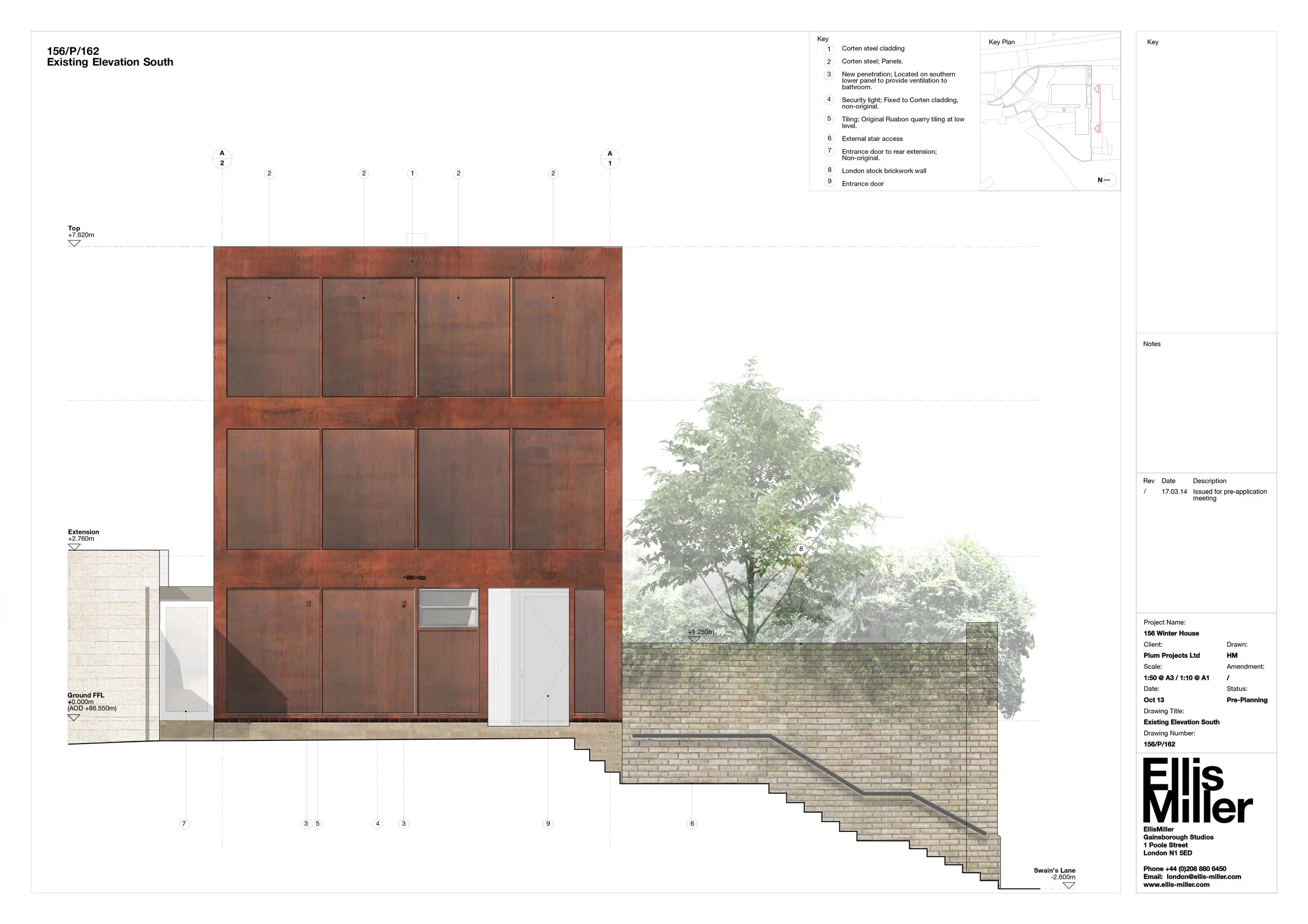
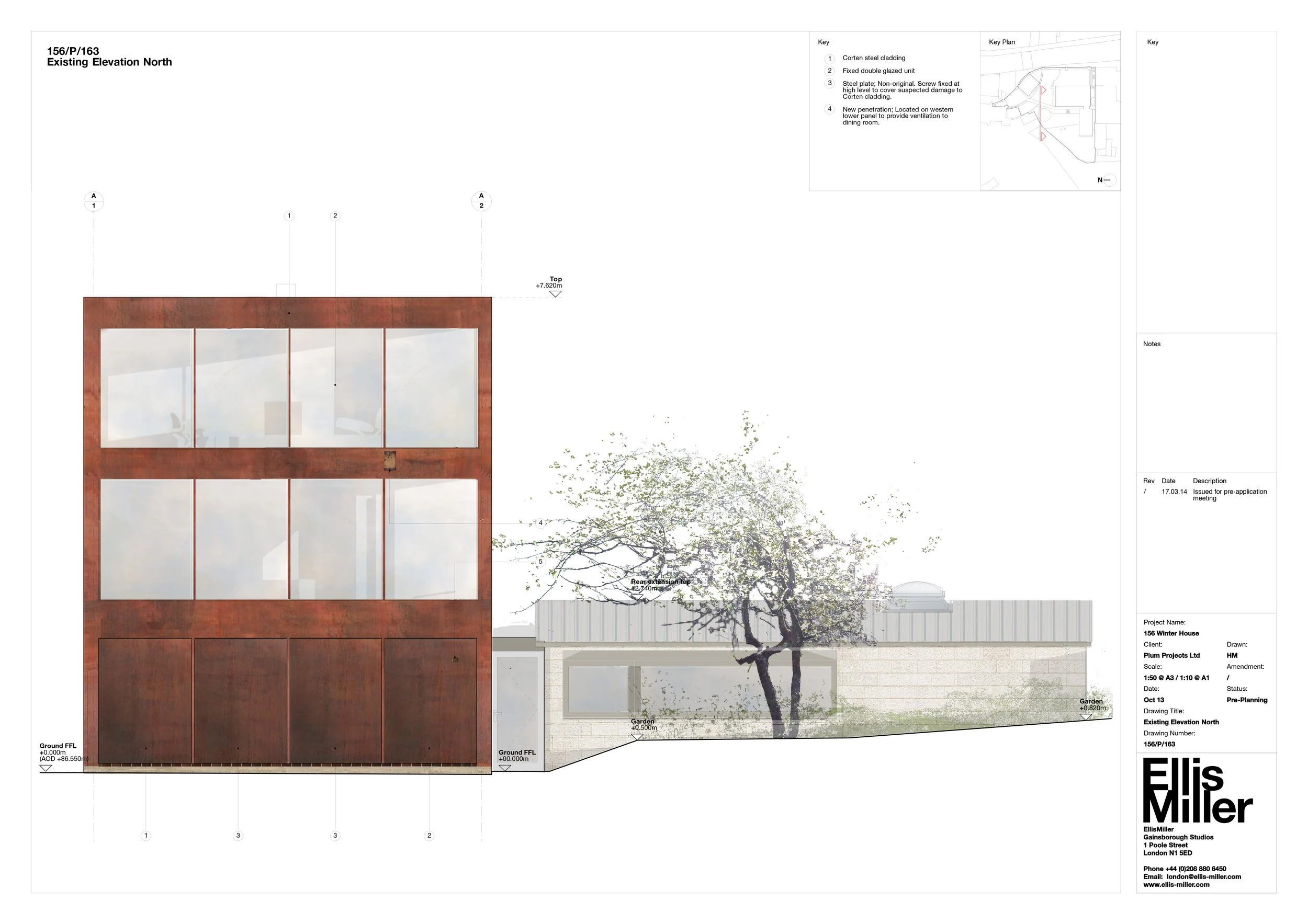
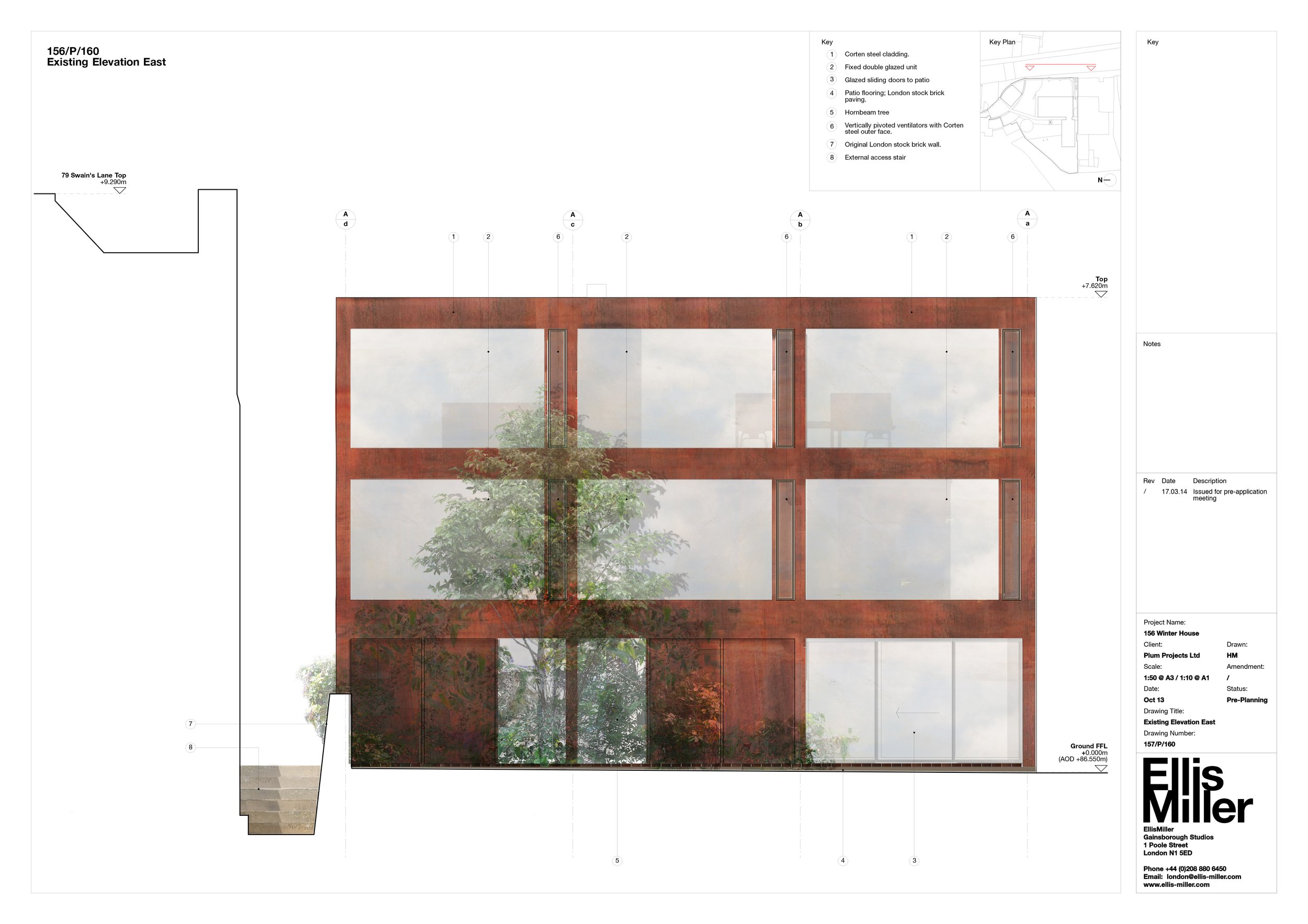
The house’s strategic positioning, rising vertically to capture light and air amid the cemetery’s romantic landscape, features a single-span steel frame spanning three bays. Inverting traditional layouts, the open-plan living room crowns the top floor, with ground-level entrance and kitchen/dining areas below, and bedrooms in between. This modular flexibility, inherent to the steel structure, allowed for potential reconfiguration—though never realised—echoing the adaptability of modernist ideals. Externally, the façade’s nine glazed panels create a tall, inscrutable elevation, uninterrupted and private, reminiscent of Mies’s Promontory Apartments (1949). Hinged ventilation panels, inspired by Le Corbusier’s Maisons Jaoul (1956), add subtle functionality without compromising anonymity.
Internally, the top-floor pavilion volume dominates, evoking Philip Johnson’s Glass House (1949) or Pierre Koenig’s Case Study House 22 (1960), with glass walls framing bucolic views of ivy-draped tombstones and bowing trees—a Claude or Poussin-like Romantic vista. The house’s defining Cor-ten steel cladding, oxidising to a patinated rust, mirrors the cemetery’s aged patina while anchoring it in mid-century innovation; Eero Saarinen first employed it architecturally in 1964. As the Winters noted in a 1970 interview, steel enabled open spaces, layout versatility, and a liberating escape from solid walls.
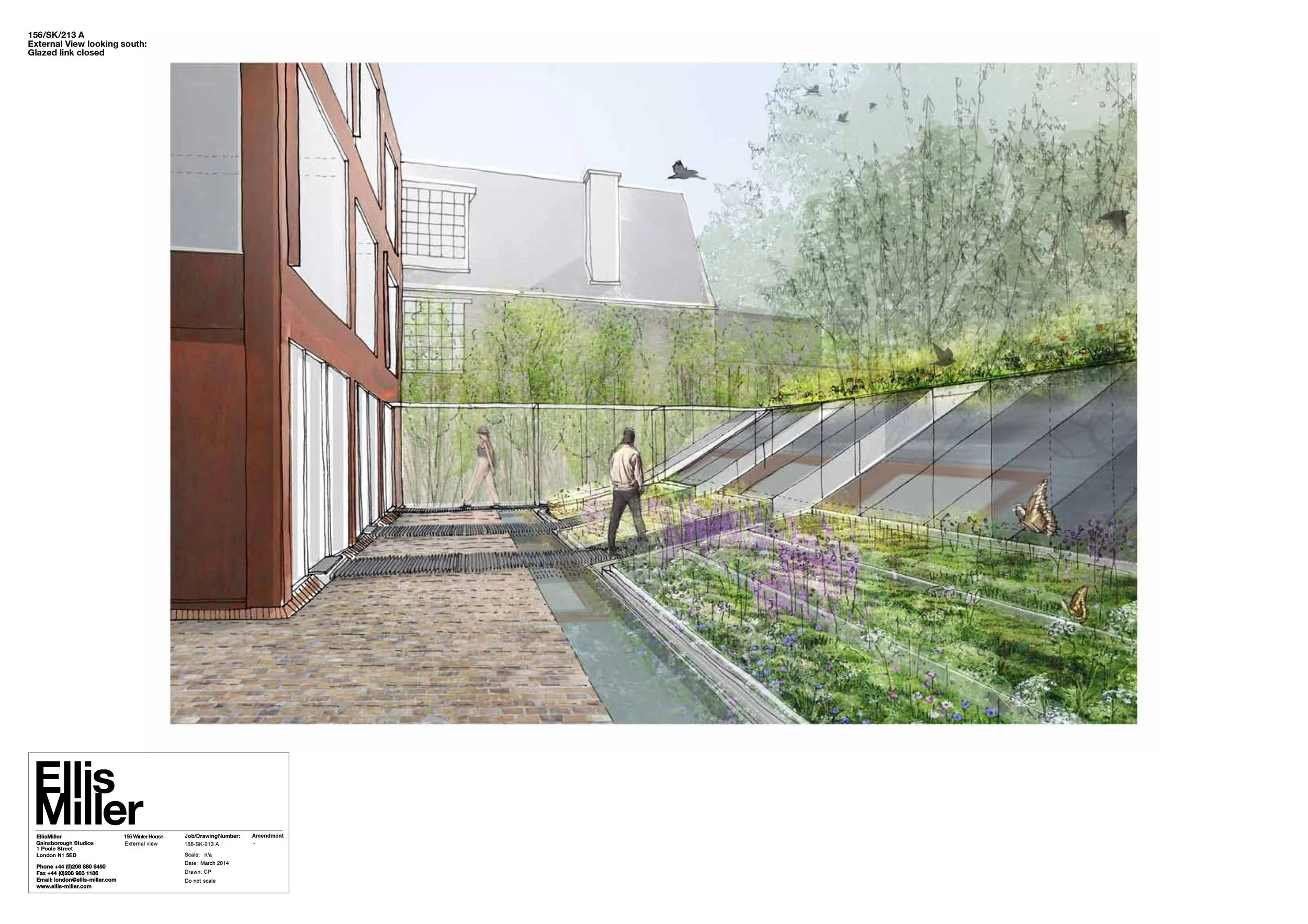
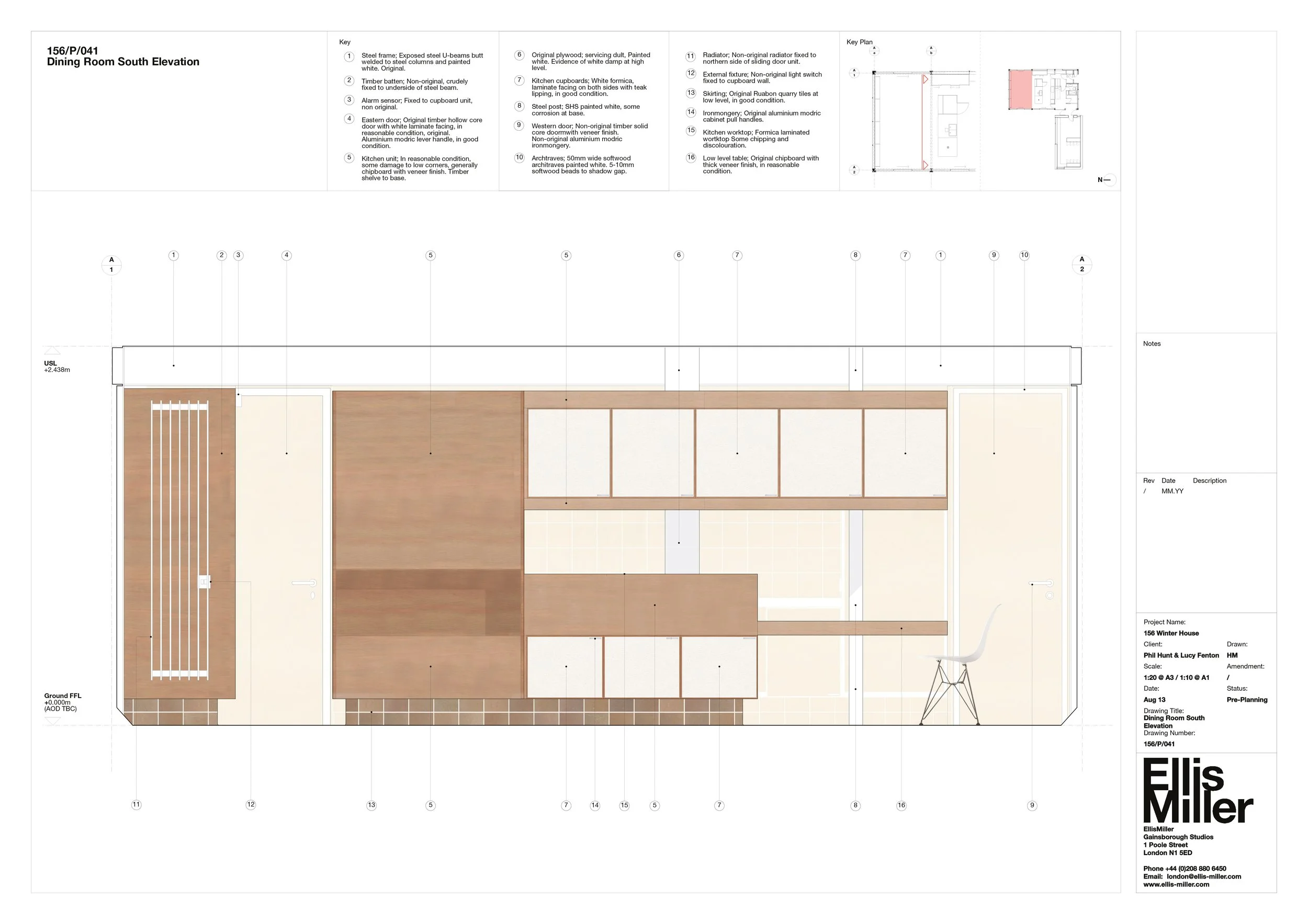
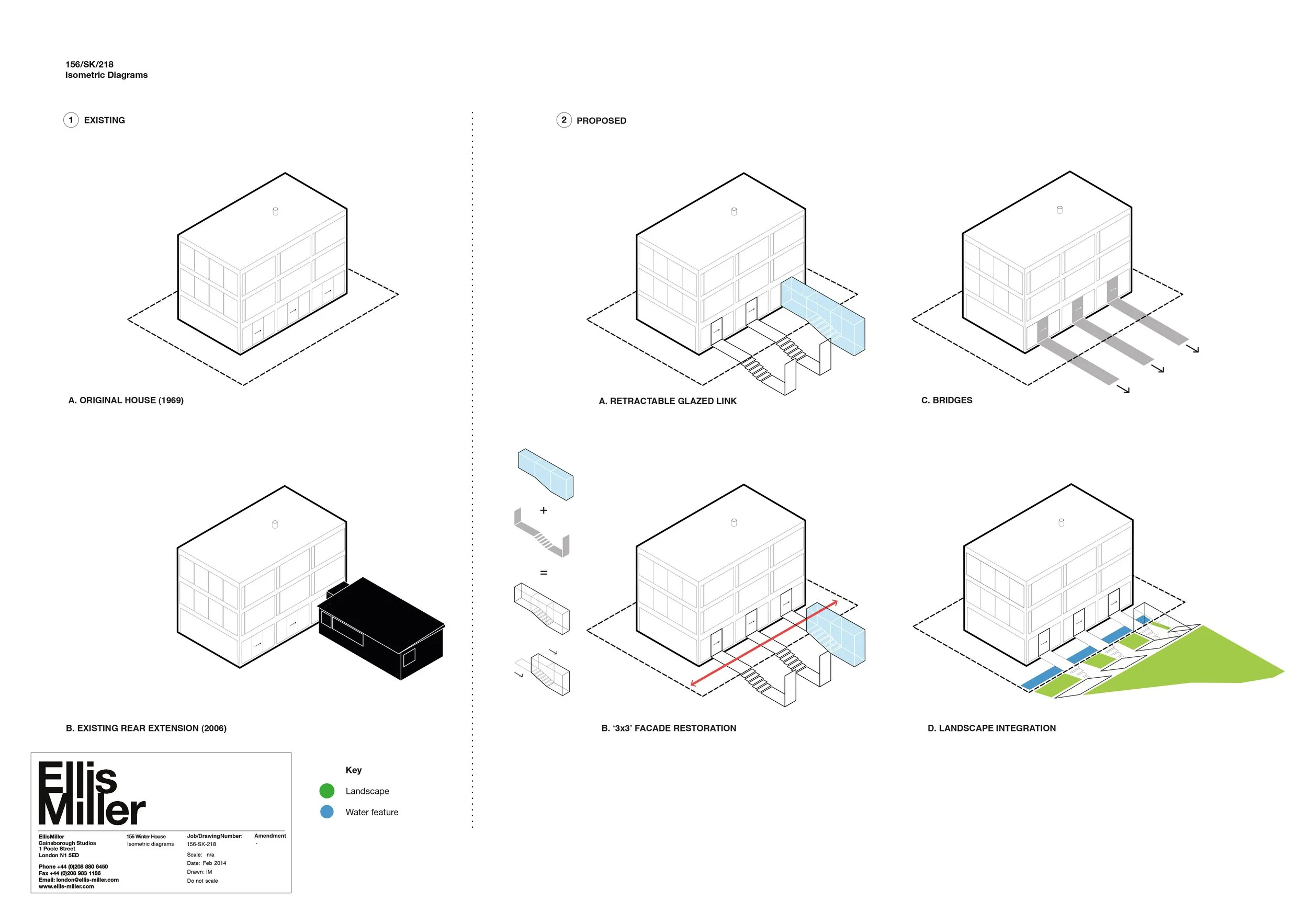
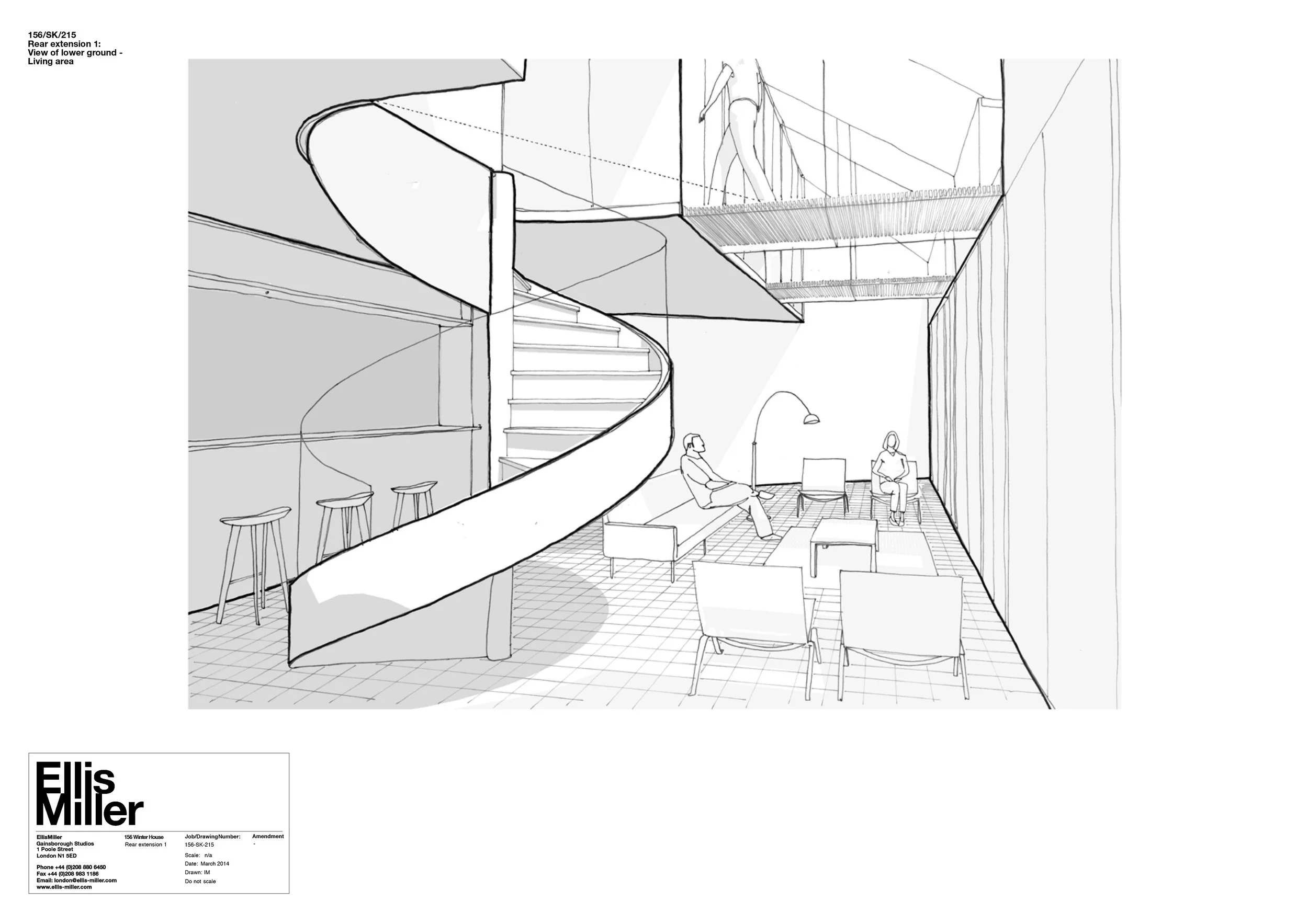
Ellis-Miller + Partners were commissioned to restore and extend this architectural gem, preserving its heritage while enhancing sustainability. The approach prioritised retaining original features, maintaining the ‘sense of age and patina’. Damaged Cor-ten was replaced with pre-patinated cladding, and single glazing upgraded to double-glazed units matching the original aesthetic. Upgrades targeted Code for Sustainable Homes Level 4, incorporating energy-efficient measures suited to the variable London climate. This sensitive intervention not only safeguards the house’s inscrutable privacy and landscape symbiosis but also addresses modern demands like thermal performance and adaptability.