Ellis-Miller House
Prickwillow
Cambridgeshire
RIBA National Award 1993
RIBA Eastern Region Award 1993
British Steel Structural Award 1993
Twentieth Century Society 100 Houses 100 Years
Locally Listed, East Cambridgeshire District Council
Repeatedly voted among the ten most important British houses of the late 20th century by critics and peers
A 66 m², £40,000 self-build pavilion should, by every conventional measure, have disappeared into obscurity. Instead, the Ellis Miller House has become nothing less than a turning point in late-20th-century British architecture—one of the handful of post-war private houses universally acknowledged as seminal.
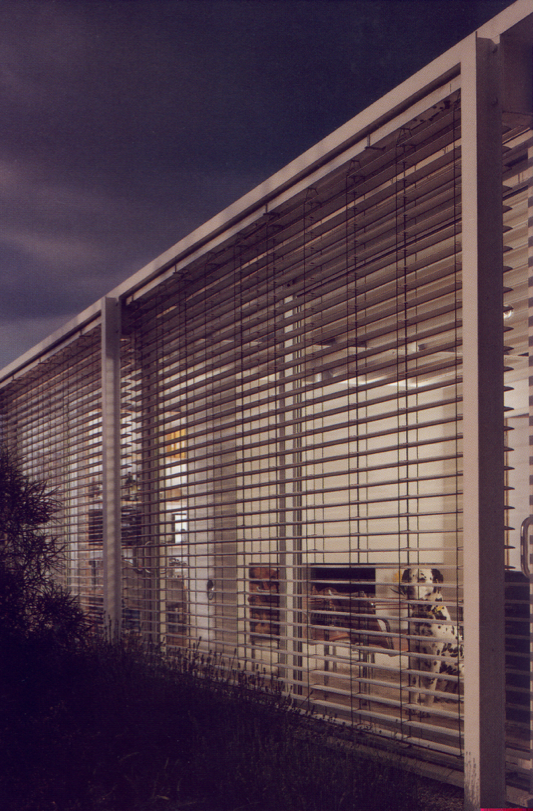
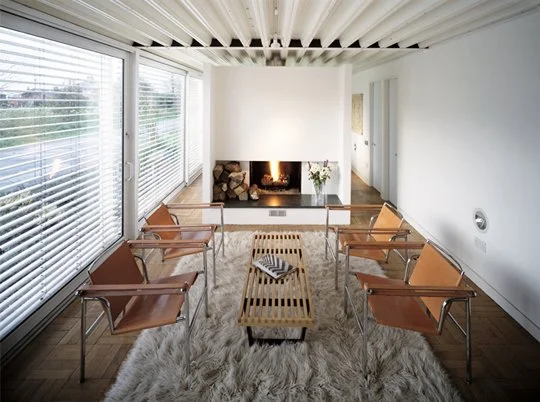
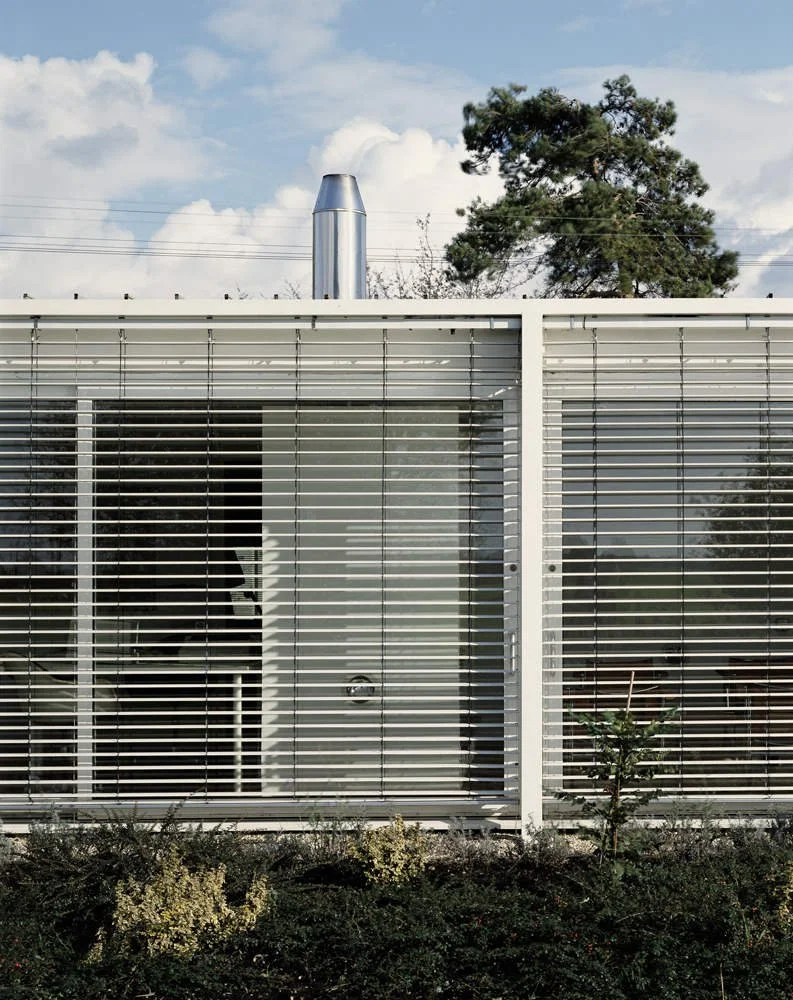
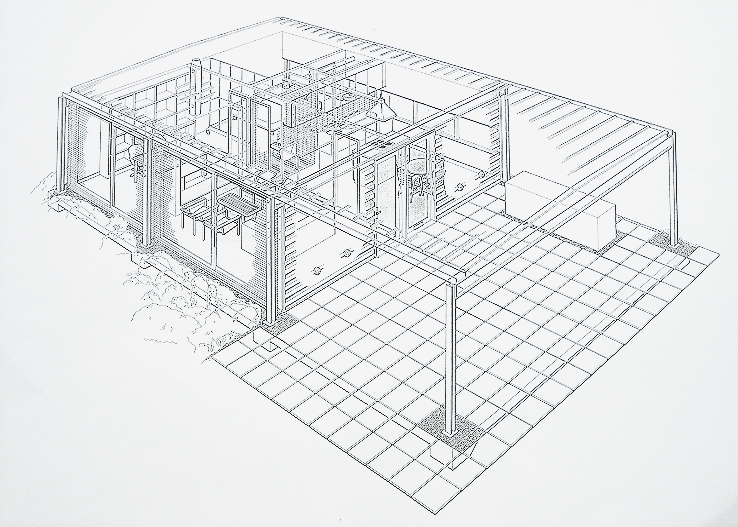
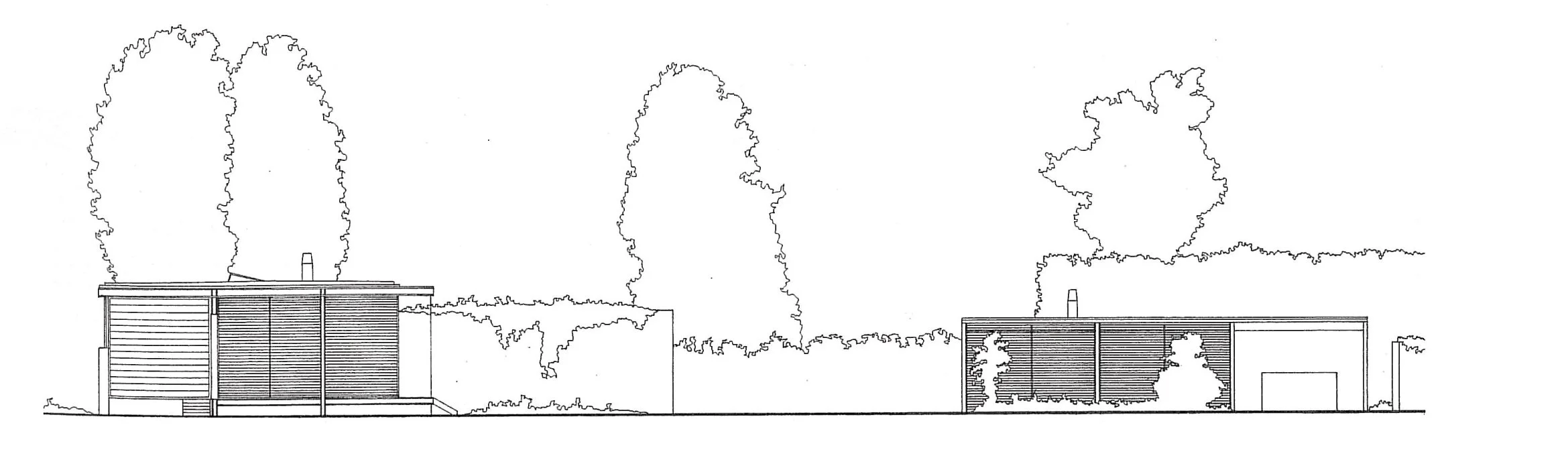
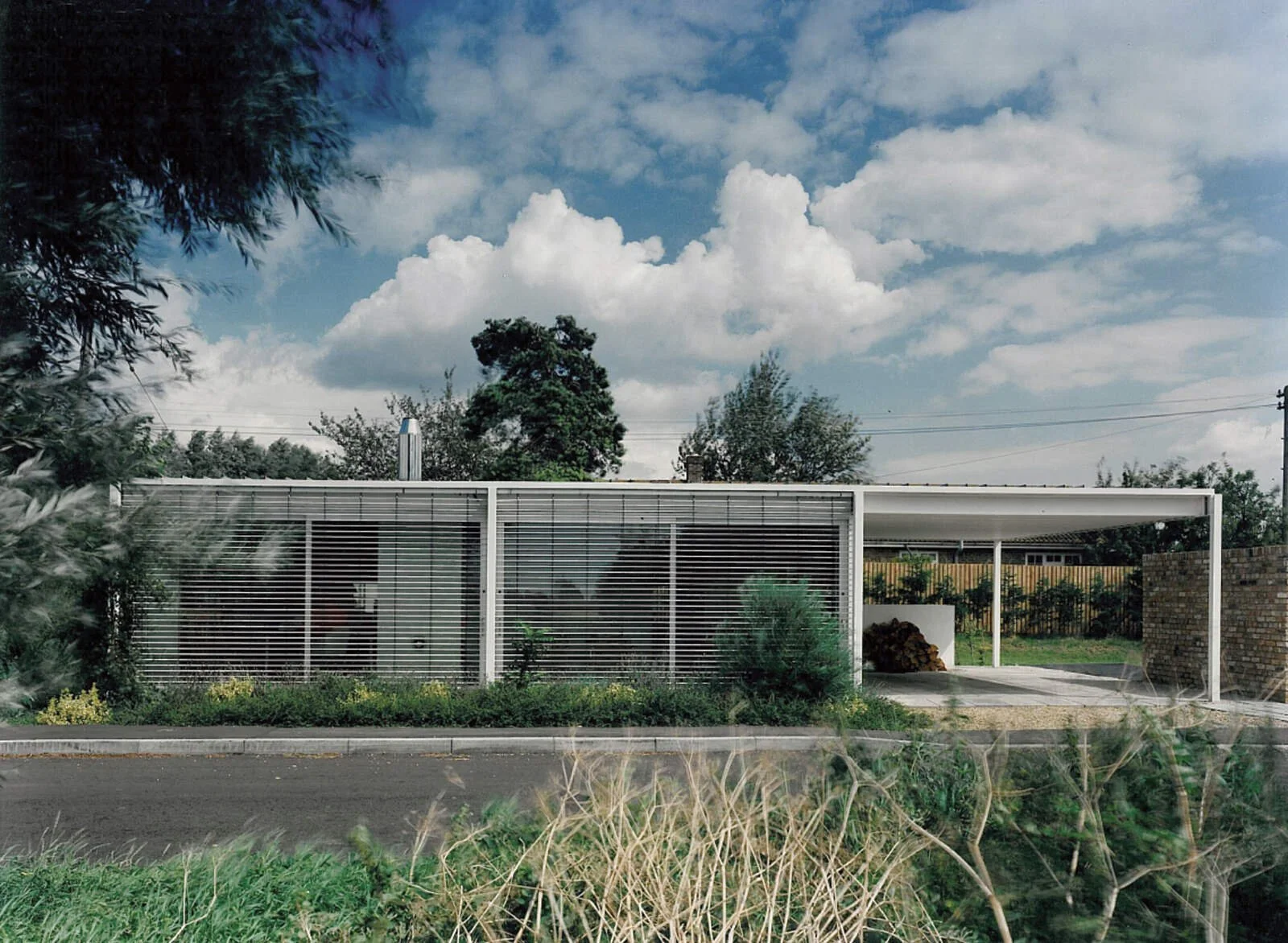
Completed when Jonathan Ellis-Miller was only 27, it achieved the near-impossible: it imported the sun-drenched optimism of the California Case Study programme (Koenig, Ellwood, Eames, Neutra) and made it breathe in the cold, wet, horizontal light of the Fens without a trace of pastiche. With surgical economy—off-the-shelf galvanized steel, a single structural bay repeated three times, a concrete raft instead of piles, and an entire façade of sliding glass—it delivered a level of spatial exhilaration and environmental intimacy that larger, wealthier projects have spent decades trying to equal.
Its impact was immediate and irreversible. In 1993 the RIBA jury called it “a demonstration that architecture of the very highest order can still be achieved with the most modest means.” Since then it has been published, exhibited and lectured on more than any comparable British house of its era. It single-handedly rehabilitated lightweight steel as a legitimate medium for poetic domestic work; it proved that prefabrication could be exquisite rather than expedient; it showed an entire generation—starved of opportunity in the early-1990s recession—that exceptional architecture was still possible if you were prepared to build it yourself.
Countless award-winning houses of the past thirty years quietly carry its DNA: the obsession with off-site fabrication, the celebration of exposed structure, the dissolution of the corner, the belief that landscape is the true luxury. Critics from Rowan Moore to Charles Holland, from Deyan Sudjic to Jonathan Glancey, have placed it alongside High Cross House, the Lawn, and the houses of Team 4 as one of the irrefutable peaks of modern British domestic design.
Paired with the adjacent Banham Studio (1997), its companion piece for the widow of Reyner Banham, the two pavilions form the most concentrated pocket of late-modernist brilliance in rural Britain—an accidental pilgrimage site for architects worldwide.
Three decades later, untouched and still, the Ellis Miller House is not merely important. It is foundational: the quiet, steel-framed proof that a single courageous building can redirect the course of a nation’s architecture.