Reyner Banham Studio
Prickwillow, Cambridgeshire
RIBA Eastern Region Award
British Steel Structural Award
Colourcoat Award
20th Century Society 100 Buildings 100 Years
Published internationally:
The Guardian, Wallpaper*,
Dwell, Architecture Today,
Icon, Architectural Review
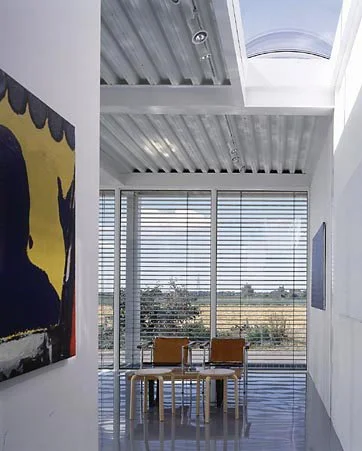
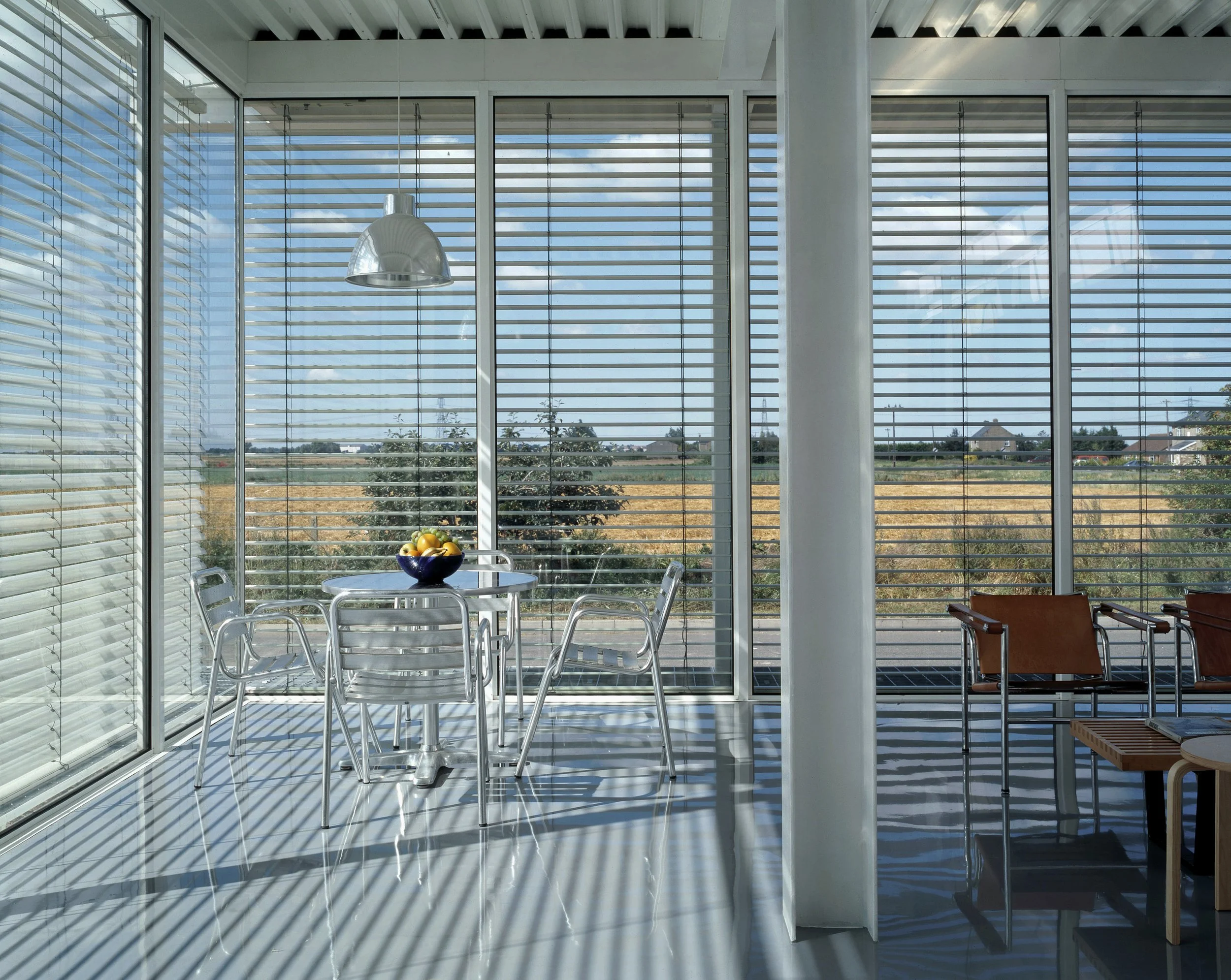
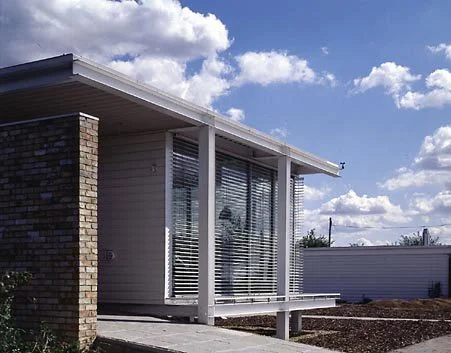
In the history of late-20th-century British architecture, few commissions carry the emotional and intellectual weight of the Banham Studio. Built in 1997 for Mary Banham — painter, writer and widow of the most influential architectural critic of the post-war era — this 50 m² steel-and-glass pavilion is simultaneously a private memorial, a working studio and one of the most significant small buildings constructed in Britain in the past half-century.
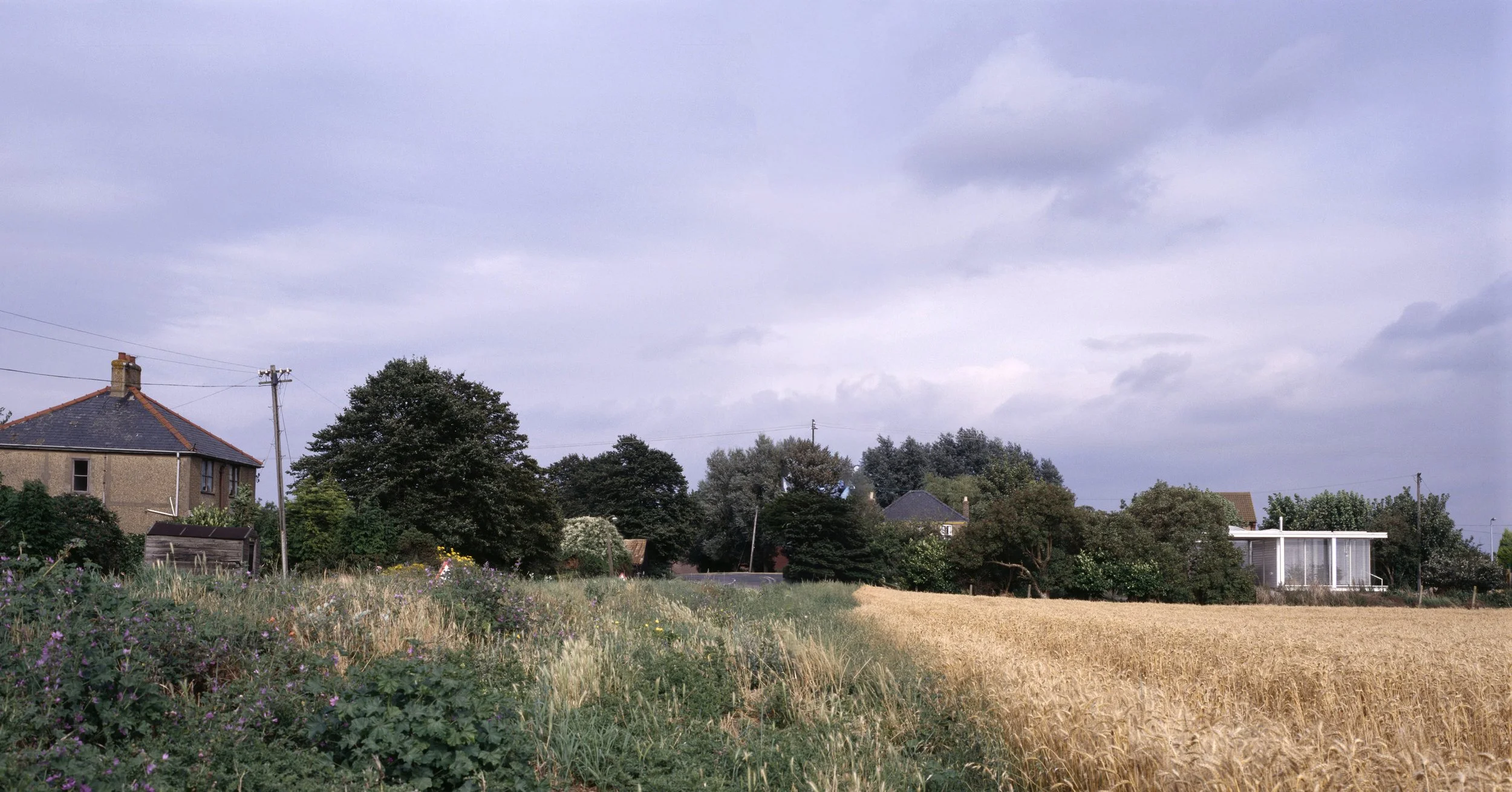
Six years after Jonathan Ellis-Miller completed his own now-seminal house on the adjacent plot, Mary Banham approached him with a request that was both intimate and monumental: design a place where she could paint, sleep, and quietly honour Reyner’s memory while gazing across the same endless Fenland skies that had so entranced them both. The result is not an add-on but a deliberate companion piece — the second movement of a duet begun in 1991.
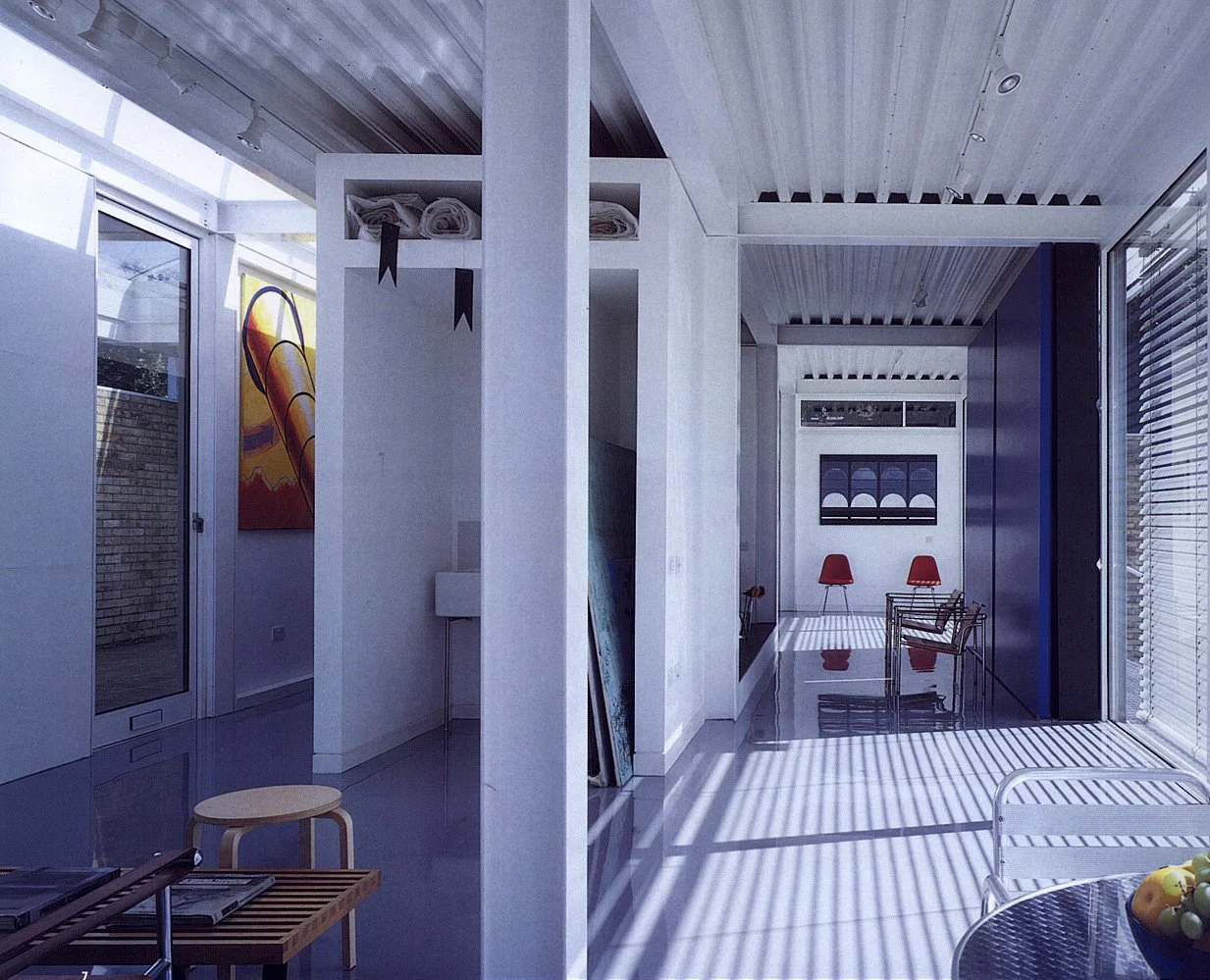
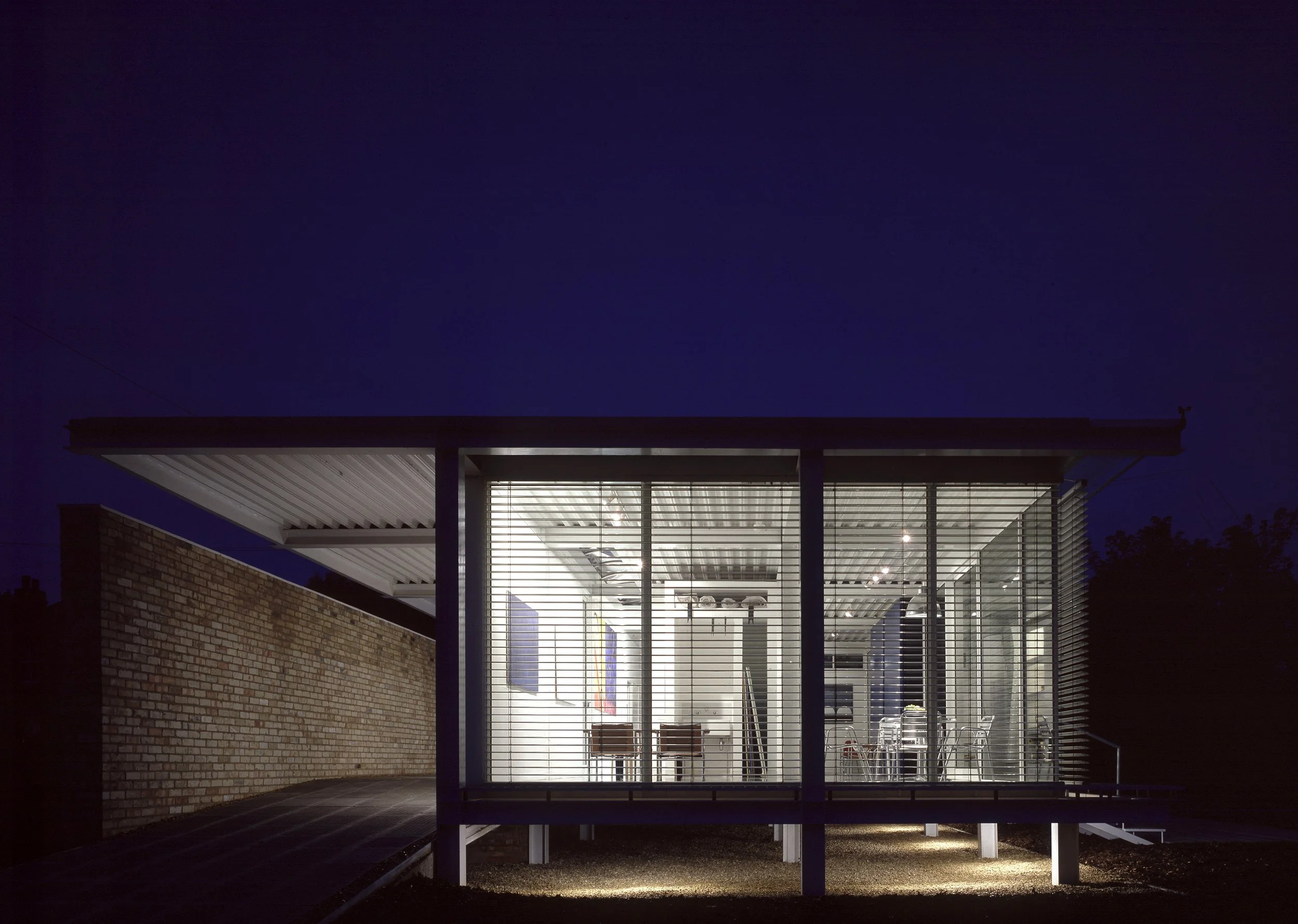
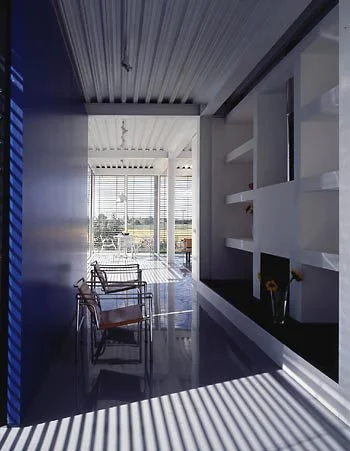
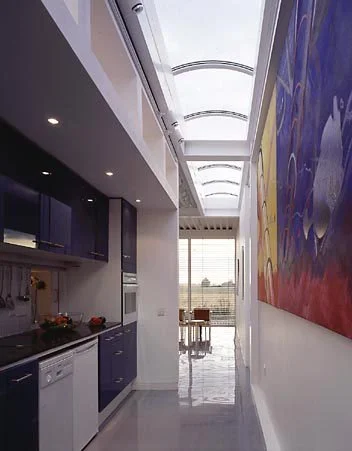
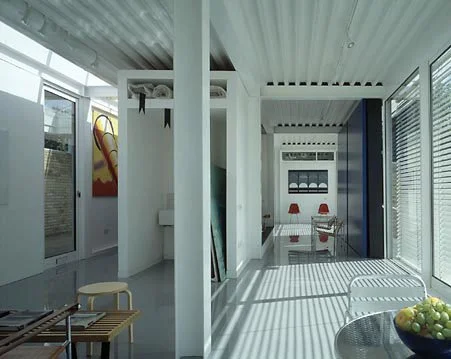
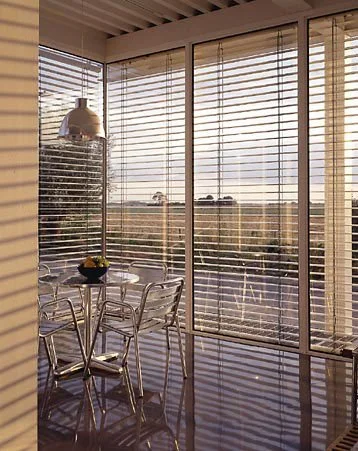
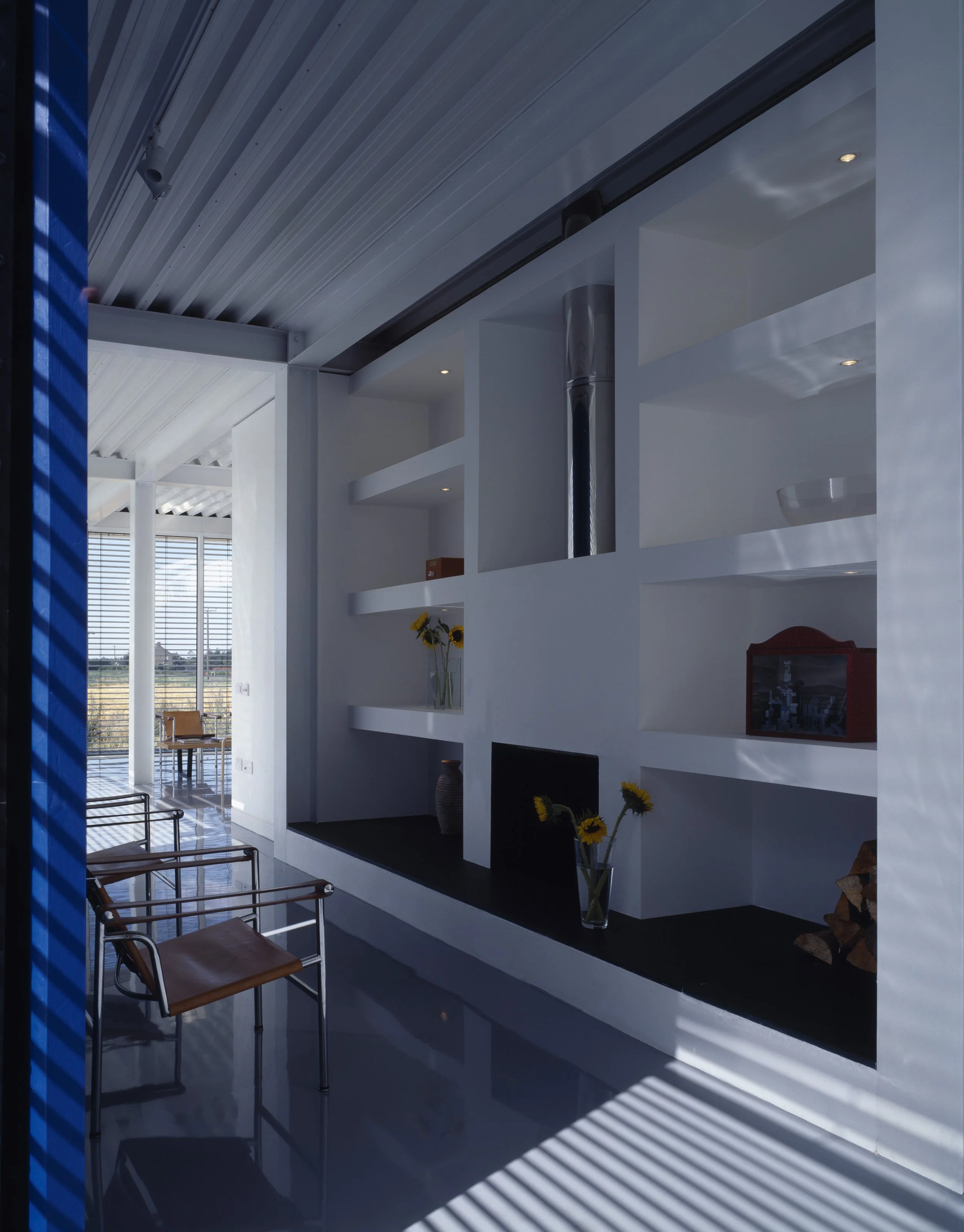
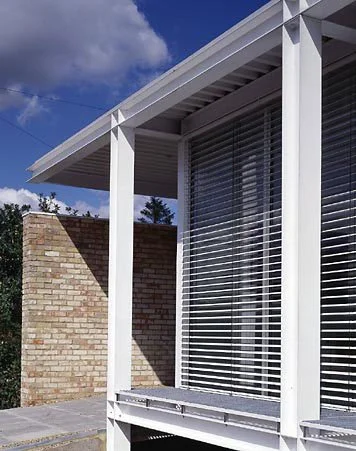
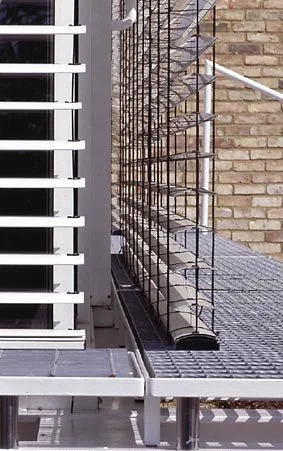
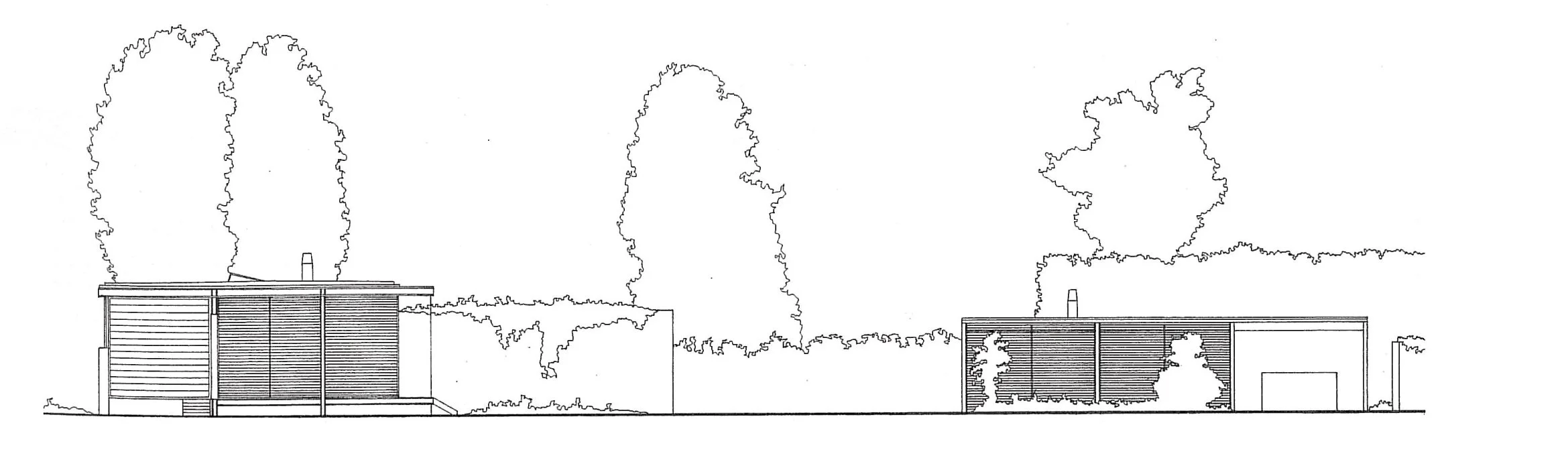
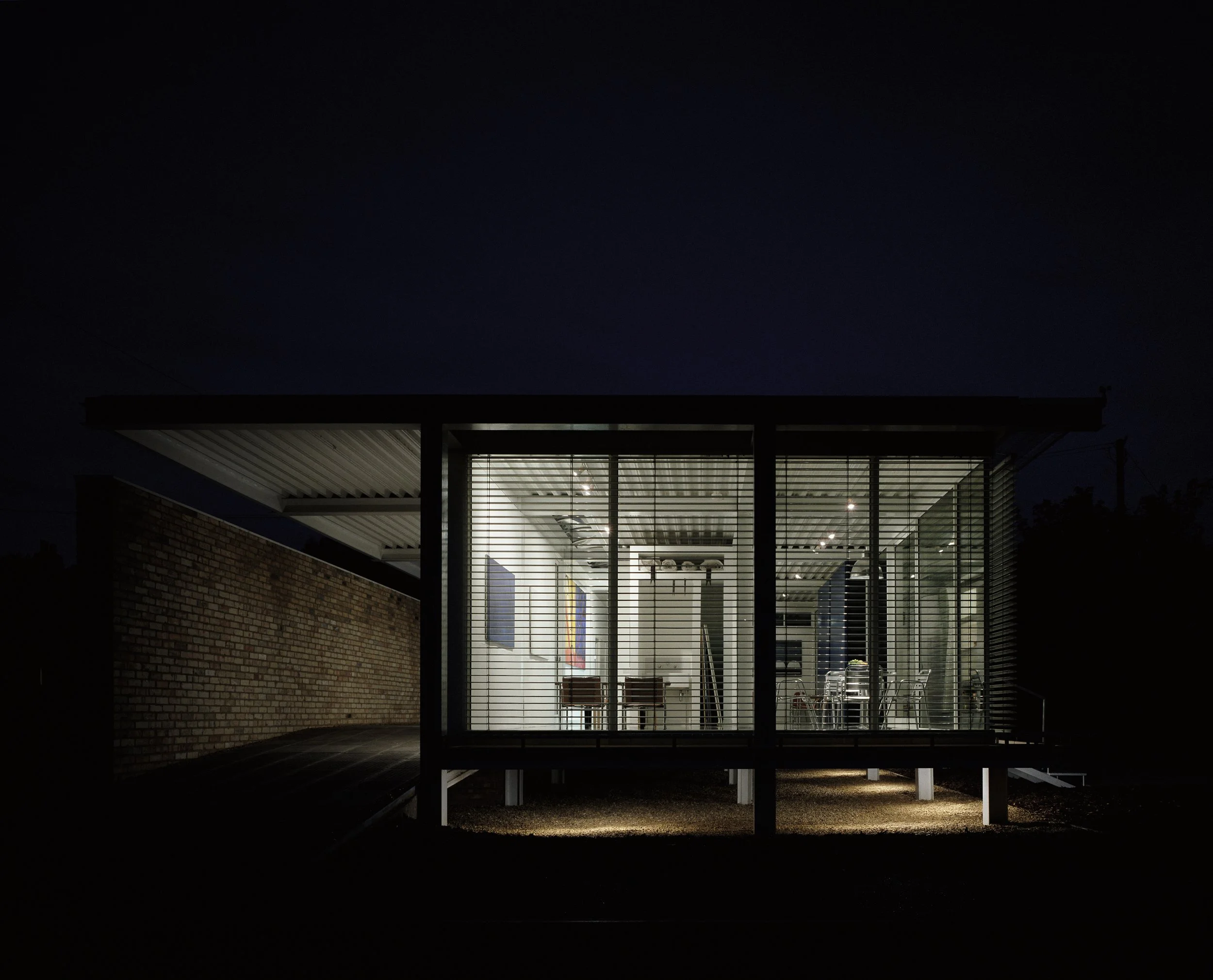
Retaining the exact structural grammar of its neighbour (galvanized hot-rolled steel frame, concrete raft foundation, trapezoidal roof, full-height sliding glass), the Studio nevertheless achieves a different emotional register. The roof is lifted higher, creating an almost sacral volume; the interior is stripped to a single loft-like space with a raised timber sleeping platform, a compact wet room and a nine-metre uninterrupted glass wall facing south-west toward Ely Cathedral. Light floods in at an angle that changes with the seasons, turning the studio into a precise instrument for observing weather and time — exactly the kind of technologically alert, environmentally intimate architecture Reyner Banham spent his life championing.
Critics immediately understood its deeper significance. Here was a building that completed the Ellis Miller House’s manifesto, transforming a solitary act of youthful defiance into a shared cultural project. Together, the two pavilions form Britain’s most concentrated and coherent late-modernist enclave — routinely compared to the Eames House and Studio in California, yet executed with a restraint and melancholy that is unmistakably English. Architects, historians and photographers now treat the pair as a single destination: the Prickwillow compound has become a place of pilgrimage, its quiet dialogue between domesticity and creativity endlessly instructive.
For Ellis-Miller the commission marked a pivotal transition: from precocious outsider to keeper of a modernist flame. For British architecture it offered proof that the radical spirit of the Case Study era could still burn brightly in marginal, improbable locations. And for Mary Banham it provided a space of luminous calm in which to continue living with Reyner’s ideas long after his death.
Small, silent, and devastatingly precise, the Banham Studio is where personal loss became architectural legacy, where the Fens were given their most eloquent modern voice, and where a 20th-century British modernism found its most poignant closing chapter.