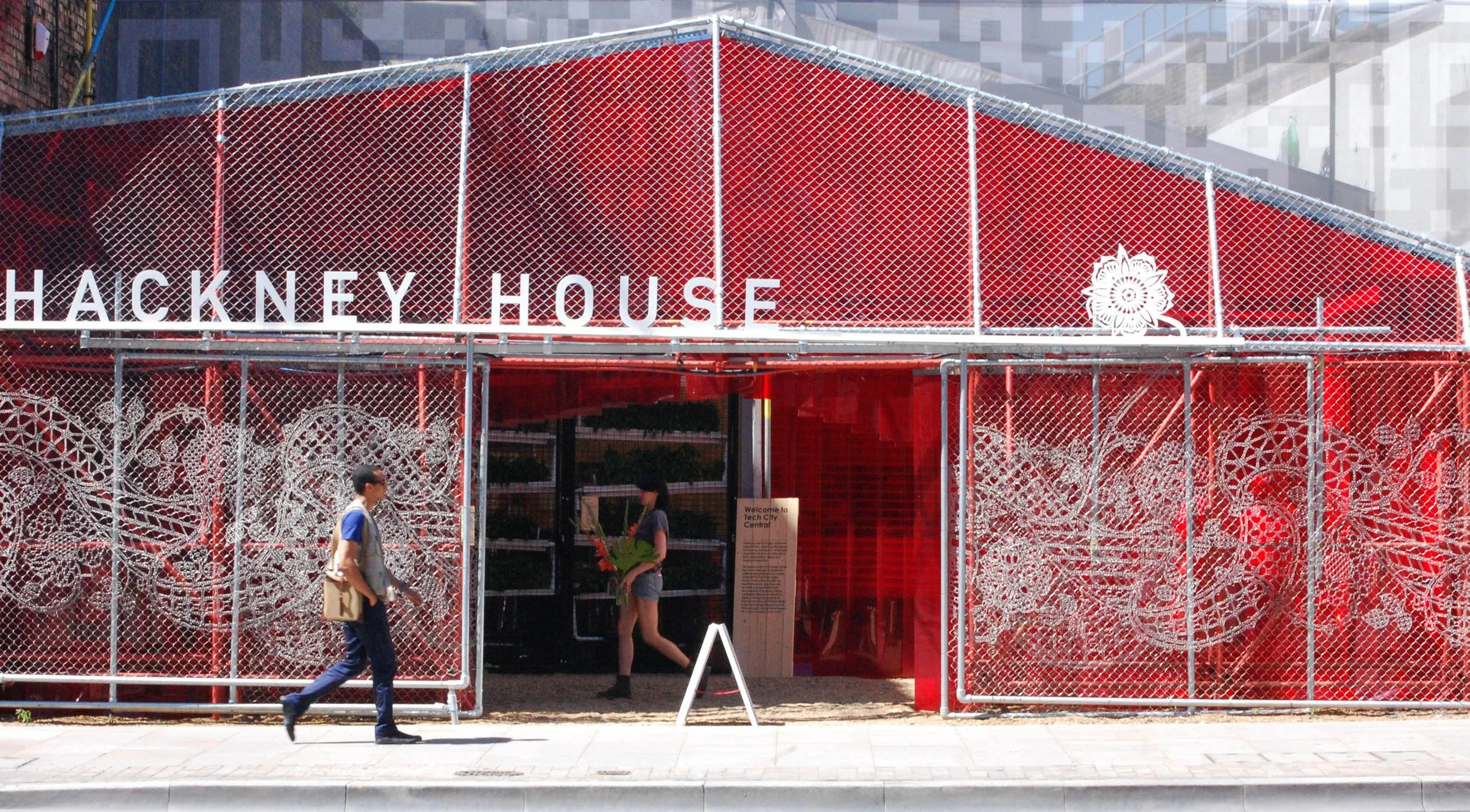
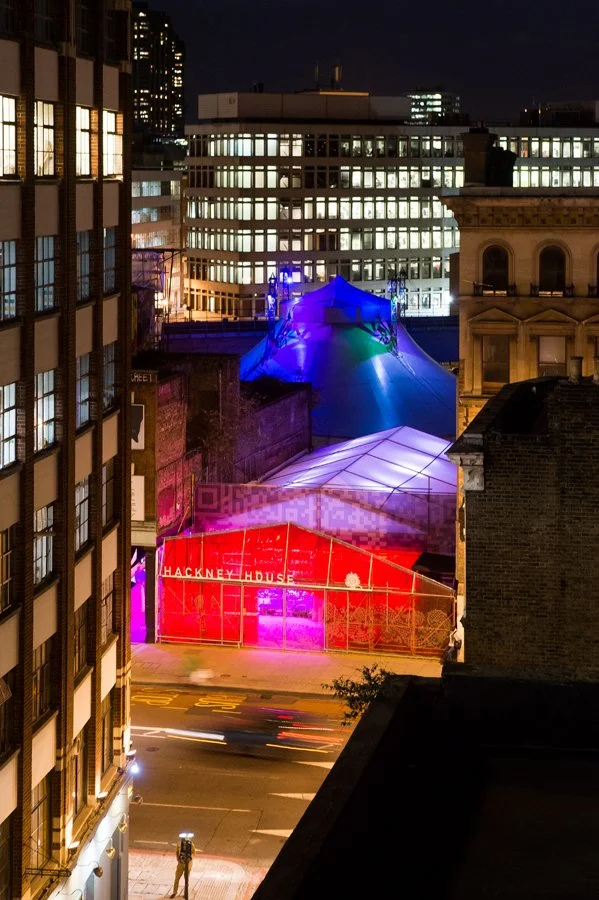
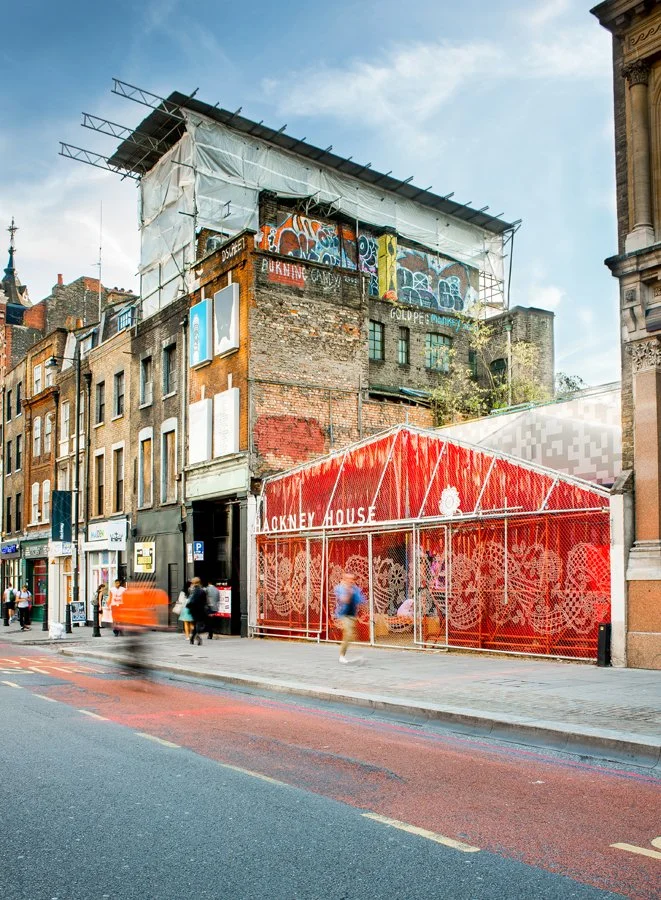
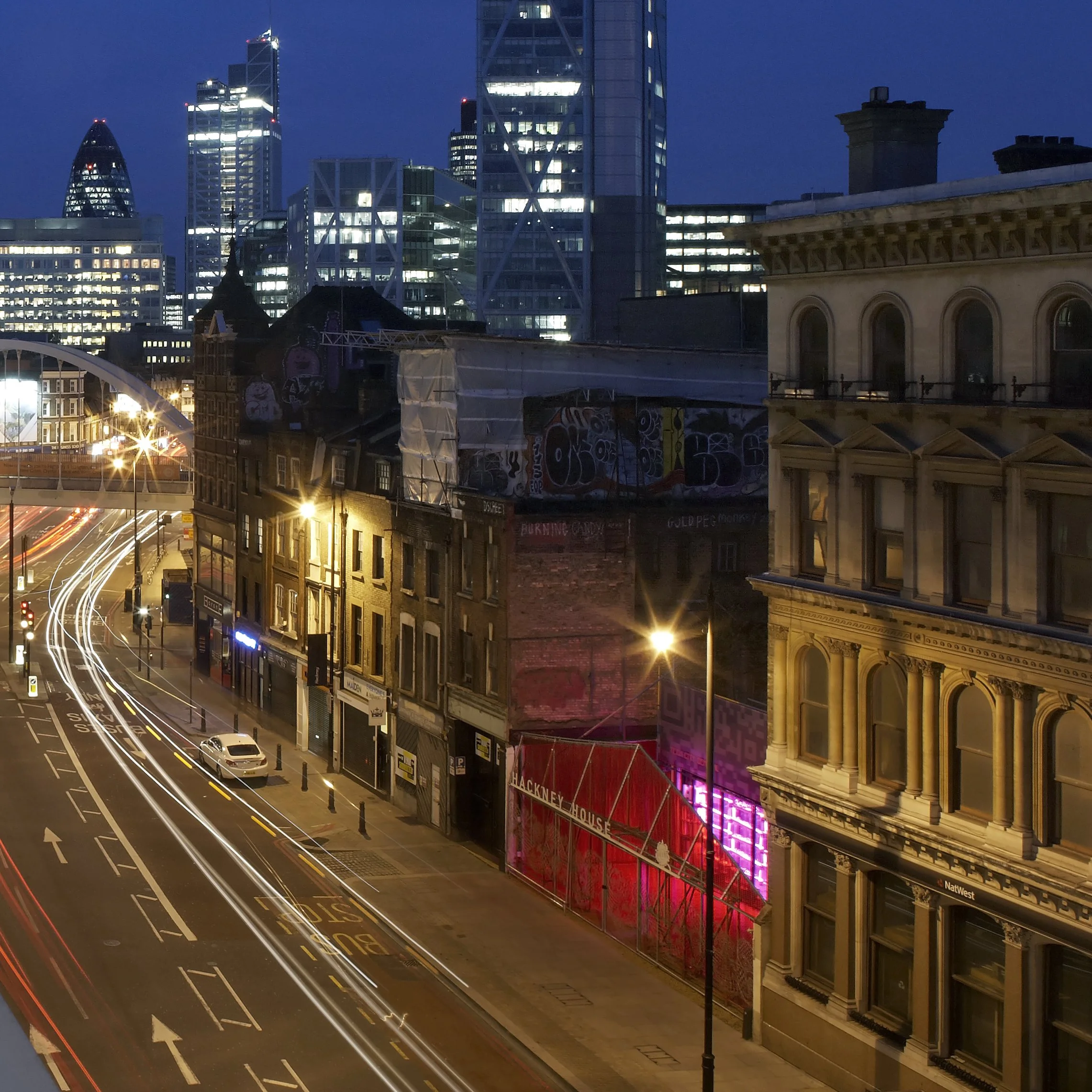
Located on a highly visible site on Shoreditch High Street, Hackney House stood out as a bold, temporary architectural intervention during the 2012 London Olympic and Paralympic Games, transforming a car park site into a vibrant hub that captured global attention. As the London Borough of Hackney’s flagship venue, it served as a business, media, and cultural center, hosting events that spotlighted the area’s creative ecosystem while fostering economic ties and community engagement. Its visibility was amplified by its strategic location amid Shoreditch’s bustling urban landscape, drawing crowds with its striking red lattice facade that evoked an industrial lace pattern, blending seamlessly with the neighborhood’s gritty yet innovative aesthetic.
Architectural Design and Team
The project was led by architects Ellis-Miller + Partners, encompassing concept development through to completion for this 1,000-square-meter pop-up structure. Ellis-Miller + Partners specialised in urban masterplanning and innovative designs, often emphasising sustainability and contextual integration. For Hackney House, they crafted a lightweight, modular pavilion using robust, recyclable materials like steel framing and a semi-transparent mesh exterior in Hackney’s signature red. This design not only ensured easy assembly and disassembly but also minimized environmental impact, aligning with Olympic legacy goals of reuse and recycling. The structure was shortlisted for the Hackney Design Awards, underscoring its architectural merit.
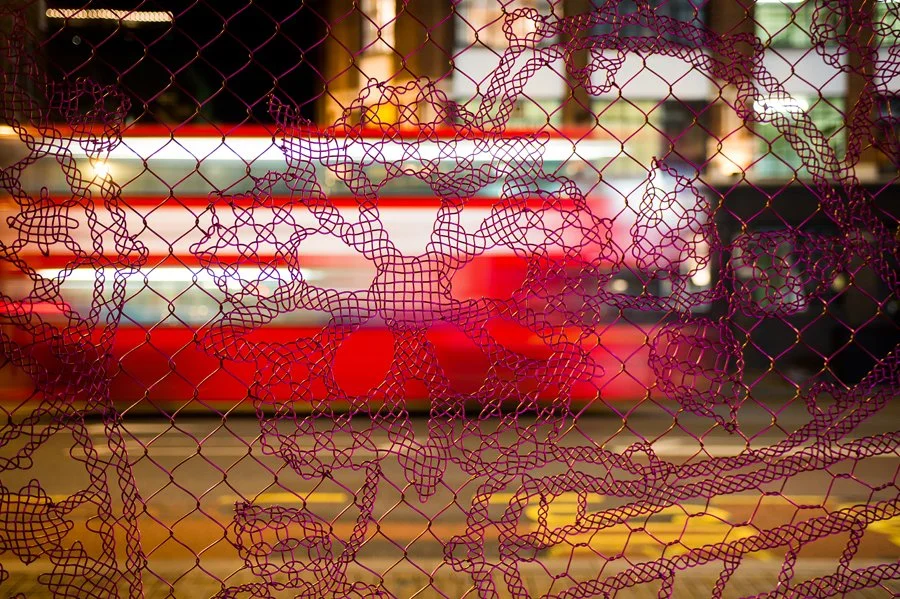
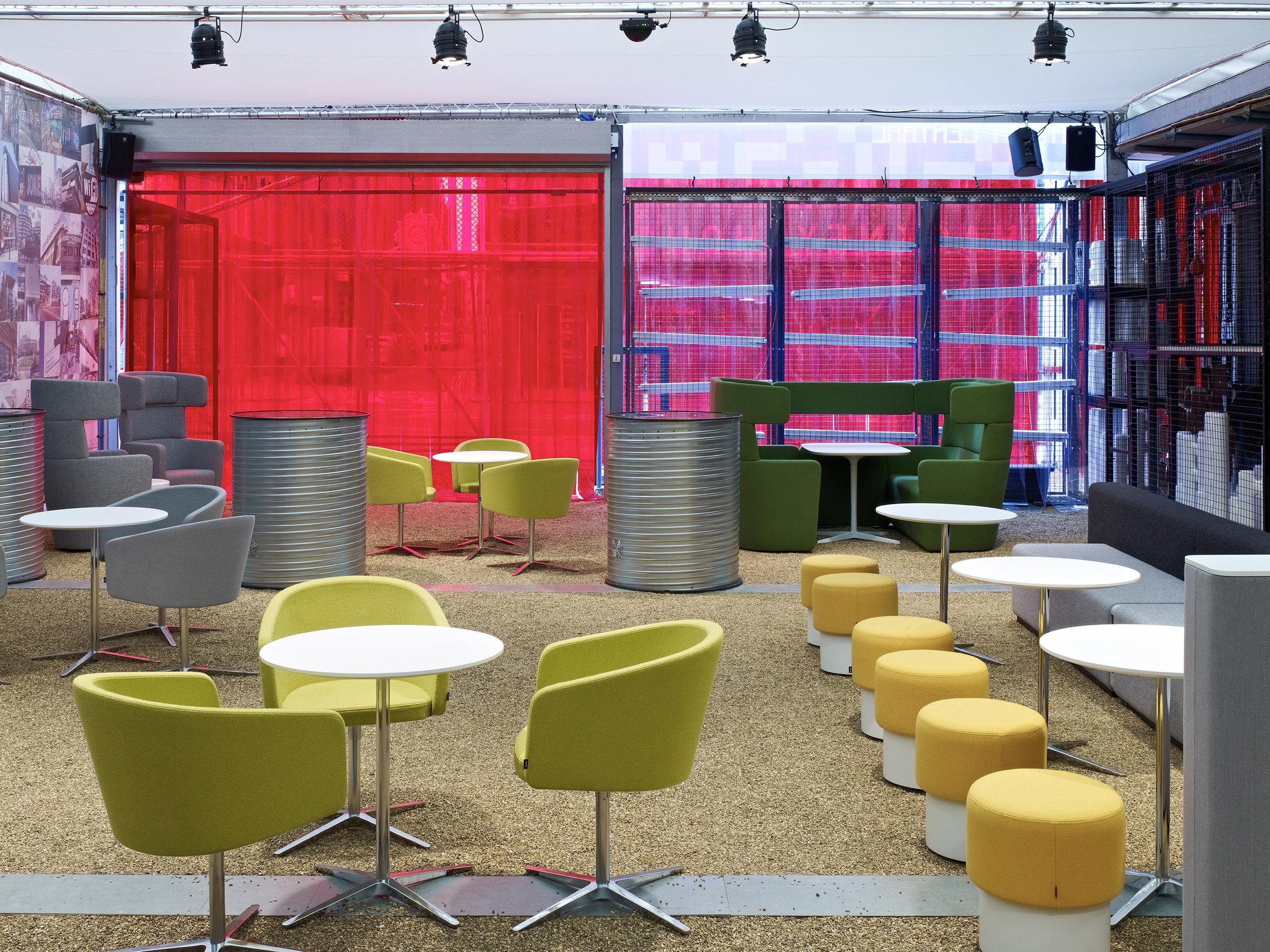
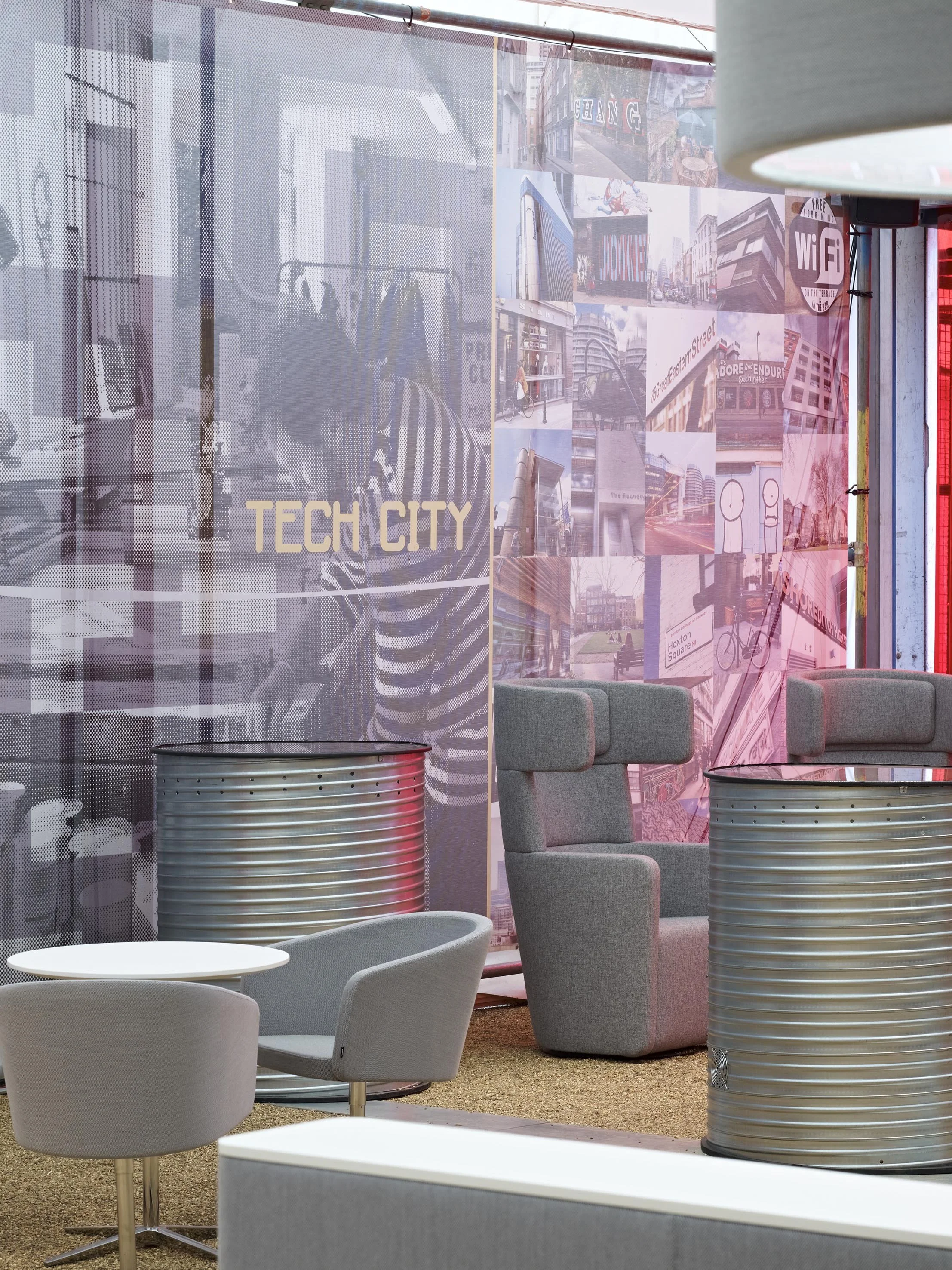
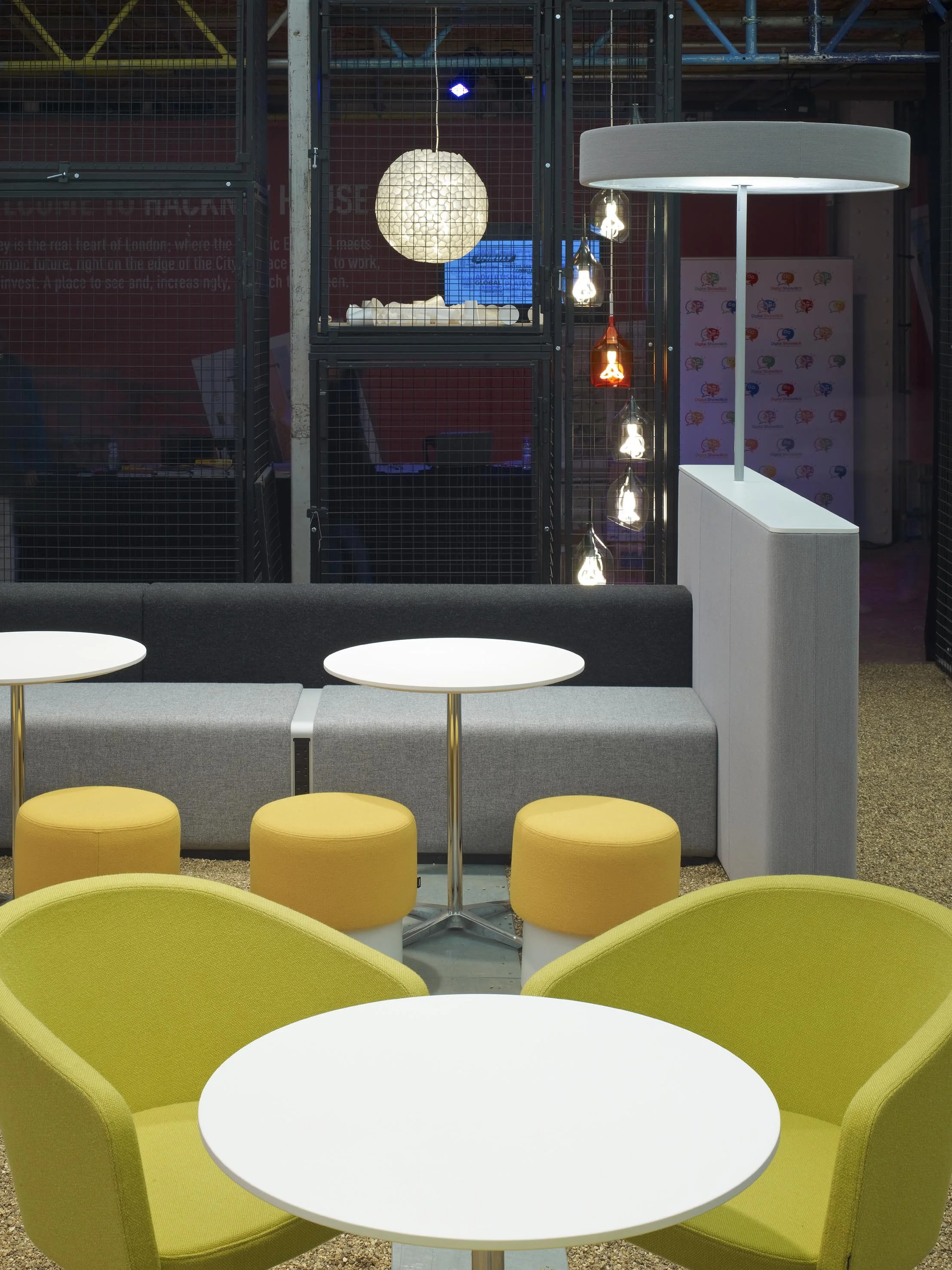
Co-collaborators included Harry Dobbs and Pearson Lloyd, each bringing specialized expertise to enhance the project’s functionality and appeal. Harry Dobbs, through his London-based practice Harry Dobbs Design, contributed the distinctive “lace fence” element—a perforated metal screen that formed the facade’s abstract patterns, adding an artistic, semi-transparent layer that allowed light and views while providing security and ventilation. This feature echoed Shoreditch’s textile heritage and street art culture, turning a practical enclosure into a visual landmark. Pearson Lloyd, renowned for product and interior design, collaborated on the overall construction and interior fit-out, focusing on creating flexible, state-of-the-art spaces for media, exhibitions, conferences, a café, and an urban garden. Their input ensured the venue’s adaptability for diverse events, from tech showcases to cultural performances, while maintaining a contemporary, engaging atmosphere.
This collaborative approach exemplified Hackney’s creative heart, drawing on local talent to produce a venue that was both efficient and emblematic of the borough’s ambition. The team’s synergy addressed site constraints, such as the tight urban plot and proximity to the Overground viaduct, by prioritizing modular construction that could be erected quickly without disrupting the high street’s flow.
Role in Hackney’s Creative Ecosystem
Hackney House’s design and execution reflected a strong partnership with the London Borough of Hackney, which commissioned the project to leverage the Olympics for long-term benefits. By involving local architects and designers, the council fostered economic growth, with the venue reportedly securing £30 million in inward investment through its Tech City focus. It hosted initiatives like the “Designed in Hackney” exhibition, amplifying Shoreditch’s status as a hub for innovation in art, fashion, and entrepreneurship. This alignment with the borough’s multicultural, forward-thinking identity helped bridge heritage and modernity, though nuances included debates over gentrification, as rising visibility contributed to increased property values and displacement concerns in edge cases like nearby affordable housing.
Implications and Legacy
Post-Games, the site’s temporary nature allowed for disassembly and material repurposing, setting a precedent for sustainable urban pop-ups. The Hackney House brand evolved into international iterations and influenced permanent developments, such as the Shoreditch Village masterplan, also by Ellis-Miller+ Partners that has transformed the site into a mixed-use area with retail, offices, and a hotel.